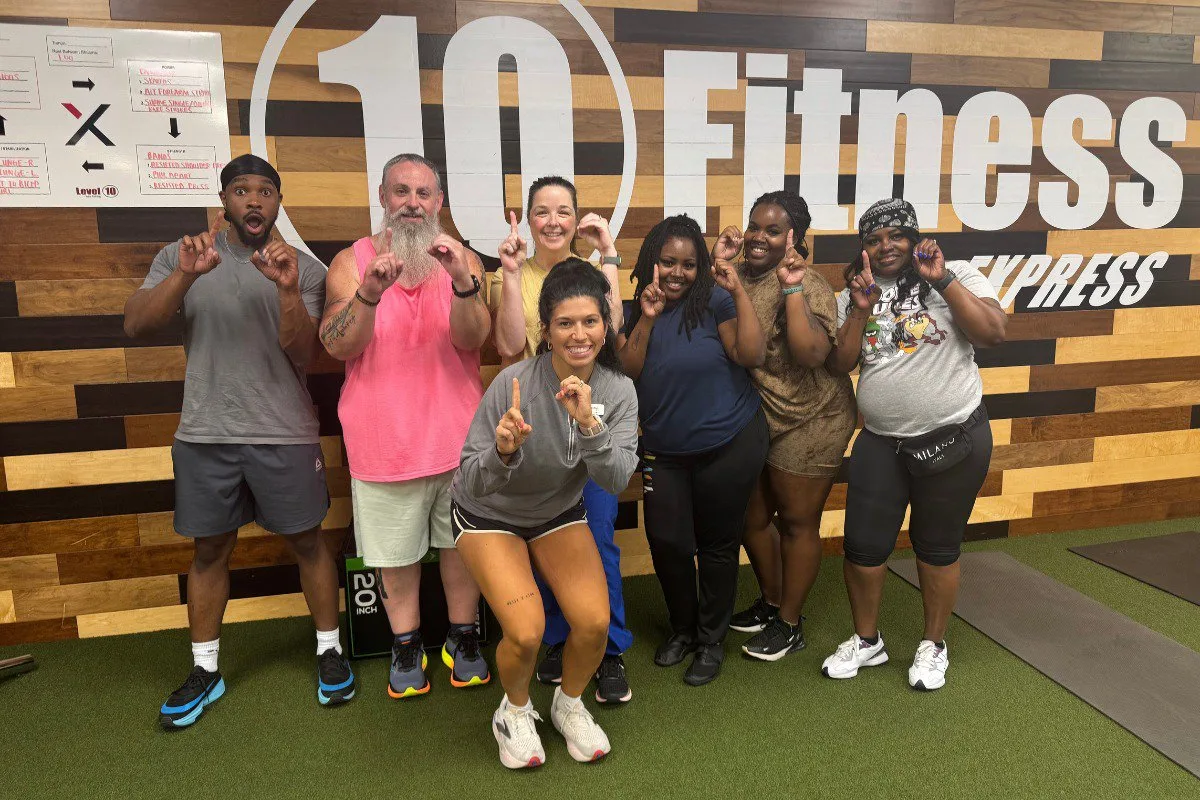
Wellness program incentives can improve mood, energy, and focus at work. Small rewards really do help your team feel healthier. When people are shown appreciation for what they do, they’re more likely to show up consistently. Plus, wellness incentives don’t have to be expensive. A simple prize or a fun team challenge can boost energy, improve mood, and ultimately help people miss fewer days of work. Let’s look at how simple wellness perks help staff, and why they’re worth it.
Key Takeaways:
- Small rewards can help more people join wellness programs.
- Rewards can be money (gift cards, PTO) or non-money (praise, games, team fun).
- It works best when you reward actions (like joining a challenge), not “perfect results.”
- Ask employees what they want, then offer a few choices.
- Friendly games (points and leaderboards) can keep people excited.
- Some rewards may count as taxable income, so check with your payroll/HR team.
- Good programs feel fair and optional, not forced.
What Are Wellness Program Incentives?
A wellness program incentive is a reward for doing something healthy at work.
Here are common examples:
- A gift card for joining a step challenge
- Extra paid time off (PTO) for completing a health check
- Points you can trade for prizes
- A company-paid gym option or fitness support
- Team contests with simple prizes
These rewards help people take the first step, because starting is usually the hardest part.
How Do Wellness Program Incentives Help Employees (and the Workplace)?
Incentives work because they lower the “start-up friction” for healthy habits. They give people a simple reason to take the first step, even when motivation is low. Once someone begins moving more, it often boosts mood, sleep, and focus, and the momentum grows faster when coworkers support each other. For employers, that same behavior shift can translate into fewer sick days and a stronger, healthier team culture, especially with an easy, group-friendly wellness option like 10 Fitness corporate programs.
A small push (like a $25 gift card) can help someone begin. Then the new habit can grow from there, especially when coworkers cheer each other on.
Top Benefits of Health Reward Programs
Health reward programs don’t just help your bottom line; they have multiple pros that can improve the effectiveness of your business as a whole.
| Program Benefits | Key Factors |
|---|---|
| Better health habits | Group challenges make healthy choices easier to start and maintain because people feel supported and accountable. When there’s a shared goal, employees are more likely to join a class, walk more, drink more water, and stick with a routine. |
| Better mood and teamwork | Doing it together turns wellness into something social and enjoyable, which boosts morale and strengthens team connection. When it feels fun instead of forced, participation naturally goes up. |
| Less stress about money | Practical incentives like gift cards or PTO reduce everyday financial pressure, which can lower stress and improve overall wellbeing. When people feel more secure, they’re often more motivated and consistent with healthier habits. |
Financial vs. Non-Financial Wellness Program Incentives
Using financial incentives has its obvious benefits, but the strategy needs to be clear and remain lighthearted. When it comes to non-financial rewards, some options are more successful than others when it comes to boosting morale.
Which Financial Incentives Work Best?
Financial rewards are things that feel like “real value” right away, such as:
- Gift cards ($25–$250)
- Prepaid debit cards
- Extra PTO (even one day is a big deal)
- HSA/FSA contributions (if your company offers them)
These work well because they help with everyday life: food, bills, rest, and health costs.
What Non-Financial Incentives Can You Offer?
Non-financial rewards can be just as powerful, like:
- A “Wellness star of the month” shout-out
- A team trophy (even a silly one!)
- A note from a manager saying “Great job!”
- A wellness lunch-and-learn
- A choose-a-charity donation (the winner picks a cause)
These rewards build pride and teamwork, and they often cost very little.
How Do You Build Wellness Program Incentives That Work (Without Spending a Lot)?
A wellness incentive plan works best when it’s built around what employees actually enjoy, not what leadership assumes they’ll use. Start by asking what rewards and challenge styles people prefer, then choose options that are low-cost but meaningful (like extra PTO, small gift cards, or team-based perks).
To keep it fair and motivating, reward actions employees can control: showing up, participating consistently, attending a class, or completing screenings. This is more effective than “perfect” outcomes like weight loss. Make the rules easy to understand, add a light game element to keep energy up, and track participation and retention so you can adjust rewards and challenges based on what people truly engage with.
Wellness Program Incentives: Step-by-Step Plan
Don’t overcomplicate it. When creating an incentive plan, make it methodical and easy.
1. Ask Employees What They Want
Send a quick survey like:
- “Would you rather earn PTO, gift cards, or prizes?”
- “Do you prefer team challenges or personal goals?”
2. Reward Actions, Not “Perfect” Results
Reward things people can control, like:
- Signing up
- Completing a workout week
- Attending a wellness class
- Doing a health screening
This feels more fair for everyone.
3. Keep It Simple
If the program is confusing, people quit. Clear rules win:
- “Join the challenge = earn points”
- “Hit 4 check-ins this month = get a reward”
4. Make It Fun
Try:
- Step challenges
- Hydration challenges
- Workout bingo
- Points and leaderboards (friendly, not mean)
5. Track What’s Working
Look at:
- How many people joined
- How many stayed active
- What rewards people actually liked
Then improve it next time.
Quick FAQs About Wellness Program Incentives
Your staff will likely have questions. You can address all the basics without sacrificing any of the fun of your incentives.
Do Incentives Need to Be Expensive?
No. Small rewards and recognition often work great, especially when the challenge is fun and easy to join.
Are Wellness Rewards Taxable?
Sometimes, yes. (For example, many gift cards count as taxable.) Some benefits may have different rules. It’s smart to confirm with your payroll/HR team.
How Do We Keep the Program Feeling Fair?
Reward participation and effort, and offer choices when possible. Also, make sure the program is accessible for different fitness levels and schedules.
Wellness Program Incentives For You
If you want a wellness program that’s easy to use, motivating, and built for real life, 10 Fitness Corporate Wellness plans can help your company get there.
We offer a variety of Group and Corporate Membership Plans, and we would love to speak with your organization or company regarding options that may be available. We go on-site to your location to make sign-up quick and easy.
If your group or company is interested in a healthier workforce, we want to be your partner. It’s as easy as getting in touch with us or finding your nearest location to keep your staff happy and healthy.