Muscle soreness can hit hard—especially when you’re just getting started or pushing harder. But instead of skipping your next workout, the right stretches for sore muscles can offer real relief. This blog will show you which ones work, why they help, and when to use them. If your legs, back, or arms are sore, don’t guess—stretch with purpose and recover with less discomfort.
Key Takeaways
- Stretches for sore muscles help improve blood flow, reduce stiffness, and ease soreness from both acute exercise and DOMS
- Acute soreness happens right away due to lactic acid; DOMS shows up 24–72 hours later from muscle micro-tears
- The most effective stretches include the side-lying quad pull, supine leg lift, figure-four stretch, and wall calf stretch
- Only stretch warm muscles post-workout; avoid bouncing or forcing a movement
- Yoga poses like Child’s Pose, Cat-Cow, and Downward Dog can help with full-body soreness
- Stretching, combined with mobility and a proper cooldown, can support long-term recovery and lower injury risk
- Common mistakes to avoid include overstretching and holding your breath
Understanding Stretches for Sore Muscles
After a workout, muscles may feel stiff or sore. This can mean two things: either acute soreness or DOMS (delayed-onset muscle soreness). Acute soreness is caused by lactic acid and stress during a workout and fades quickly. DOMS follows one or two days later and is caused by small muscle tears. Both types mean your muscles were challenged, and stretching helps with both.
How Stretches for Sore Muscles Relieve Tightness
Stretching increases circulation in sore muscles. Better blood flow delivers oxygen and nutrients, which helps muscles relax. A proper stretch can also help you feel less stiff the next day. A light routine of stretches for sore muscles makes recovery smoother. Don’t force it or hold for too long. Focus on one muscle group at a time and breathe clearly.
The Best Time to Stretch
The best time to do stretches for sore muscles is right after your workout cooldown. Your muscles are still warm, and circulation is active, which helps ease stiffness before it builds. After your breathing slows, take five minutes to stretch key areas like your legs, hips, or shoulders. Skipping this may lead to tighter muscles the next day.
Does Stretching Help Sore Muscles Get Better?
Yes. Gentle stretching helps sore muscles recover by soothing the nerves and improving movement. It also lets you test your range. If something feels wrong, stop. That might signal the need for rest or extra care. When done right, stretching is one of the best ways to feel better after a workout.

Effective Stretches for Sore Muscles: Legs and Thighs
After a leg day, slow and gentle stretches really help. Avoid sharp pain and stay within a safe range.
Stretches for Quads and Hamstrings
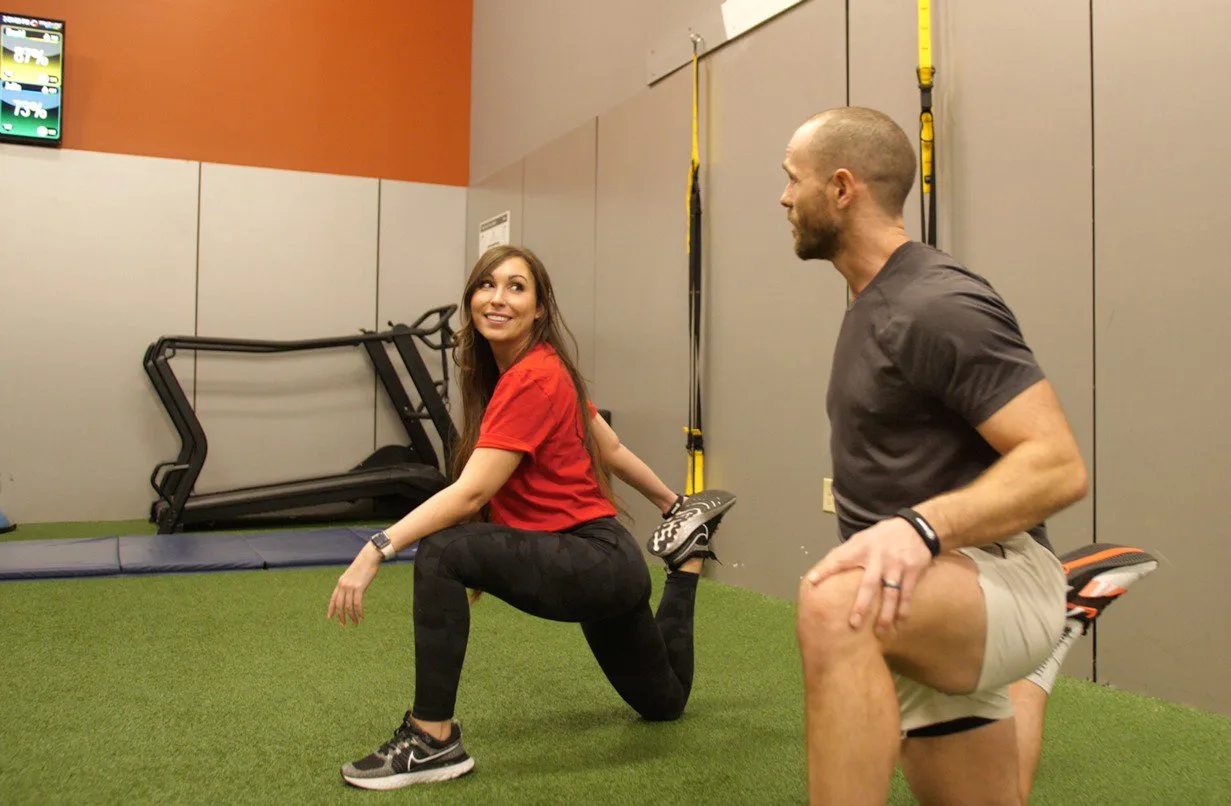
To stretch sore quads after squats, lie on your side, bend your top leg, and grab your foot. Pull gently toward your glutes until you feel a front-leg stretch, and hold for 12 seconds. For hamstrings, lie on your back, raise one leg, and gently pull it using both hands behind the thigh. Stop if there’s shaking or pain. This helps ease tension after deadlifts, lunges, or running.
Stretches for Inner Thighs
To ease inner thigh tightness, sit up straight with the soles of your feet touching and let your knees drop to the sides. Don’t press—just hold for 12 seconds. This helps the groin and inner thighs, especially after heavy leg work.
Always breathe deeply. Inhale through your nose and exhale through your mouth. This helps relax your body and deepen each stretch.
The Best Stretches for Sore Muscles: Calves and Glutes
When your calves ache after activity, start with a wall calf stretch. Stand with hands flat on a wall, one foot forward and the other foot back. Keep the back heel down as you bend the front knee. Hold for 12 seconds, then switch. This lengthens the calf and helps it loosen.
Stretches for Glutes
For sore glutes, which often feel tight after squats or climbing, try the figure-four stretch. Lie on your back, bend both knees, and rest one ankle over the opposite thigh. Then, pull the uncrossed leg toward your chest. If there’s discomfort, ease up. You can also try a standing version by crossing one ankle over the other leg and lowering into a squat while holding a wall for support.
Stick to 12-second holds and do not bounce. If pain flares, stop. Listen to your body and support recovery with care.
Movements That Relieve Upper Body Muscle Soreness
Sore arms or shoulders can make simple movements harder. A few stretches for sore muscles can help loosen these tight areas.
Stretches for Sore Muscles: Shoulders and Upper Back
Try the cross-body shoulder stretch. Reach one arm across your chest and use your other arm to pull it in. Hold for 12 seconds and switch sides. This targets the area often sore after rows or presses.
Stretches for Biceps and Forearms
Use a straight-arm wall stretch. Place one hand flat on the wall with fingers pointing behind you. Keep your arm straight, then turn your chest away. This stretches the bicep and the inside forearm.
Stretches for Neck and Traps
For sore traps and neck, try the side neck stretch. Sit or stand tall, let one arm hang by your hip, and with the other hand, gently pull your head toward your shoulder. Hold for 12 seconds and switch sides. This helps with tension from overhead lifts or extended screen use.
These simple stretches do more than lower soreness. They help muscles relax and improve circulation.
Safe and Effective Stretches for Lower Back Tightness
The best back stretches are gentle and done often. If applied daily, they can ease pain from soreness or DOMS.
Stretches for Sore Muscles: Lower Back
- Knee-to-Chest Stretch: Lie flat on your back, and pull one bent knee toward your chest. Hold for 12 seconds, then switch legs.
- Pelvic Tilts: Lie on your back with feet flat. Tighten your core and press your lower back into the ground. Hold for five seconds and repeat ten times.
- Cat-Cow: Get on all fours. Arch your back up, then press it down while lifting your chest. Repeat five times with easy breaths.
Go slow and do not push into a stretch. If the pain is sharp, stop. Stretching for sore muscles supports recovery, but only when done with care and patience.
Yoga Poses for Full-Body Soreness
Child’s Pose, Cat-Cow, and Downward Dog all support recovery.
- Child’s Pose: Kneel and sit back on your heels. Reach your arms forward and rest your forehead down. It relaxes your spine and hips.
- Cat-Cow: On your hands and knees, round your spine for the Cat pose, then arch it for the Cow pose. It soothes the spine and belly muscles.
- Downward Dog: With hands and feet on the floor, lift your hips into an inverted V. This gently stretches calves, hamstrings, and shoulders.
Hold each pose for 10-12 seconds. Restorative yoga is useful after a hard workout.
Mobility and Breathwork
Try hip openers like the 90/90 drill, or ankle rolls and deep squats to help joints align. Pair these with breathwork by inhaling for four counts and exhaling for six. This helps your body shift into rest mode.
Stretching for Sore Muscles: How To Be Safe and Effective
Stretches only help when done correctly. Move slowly, never bounce, and avoid pushing into pain.
Common Stretching Mistakes to Avoid
The biggest mistake is trying to stretch too far. Just go to the point where you feel tension—not pain. Also, avoid holding your breath or bouncing. Bad form can also cause trouble, so be sure to check your form. Always warm up for five minutes before you start.
Safe Stretching Practices
Start with 12 seconds per stretch. Repeat two or three times if needed and stretch both sides equally. If you’re doing strength training, always stretch those muscles afterward. If you’re over 60 or recovering from an injury, be gentle. Use a chair or wall for extra support, and choose seated or side-lying poses.
Full-Body Cooldowns for Long-Term Recovery
Pick five full-body stretches, holding each for 12 seconds. Begin with a hamstring stretch. Then try a calf stretch. Next is a quad stretch, followed by a seated butterfly stretch. Finish with the buttock stretch.
Stretching the smart way relieves pain, helps blood flow, and speeds healing. You now know how to help sore legs, arms, and your back—and when to do it.
Find Your Path to Recovery at 10 Fitness
At 10 Fitness, we believe recovery is a key part of your fitness journey. Our team can help you with personalized routines and professional guidance to ensure you are training and recovering safely. Find out more about our services and how we can support your long-term health.
Learn more about our gym and how we can help you reach your goals.