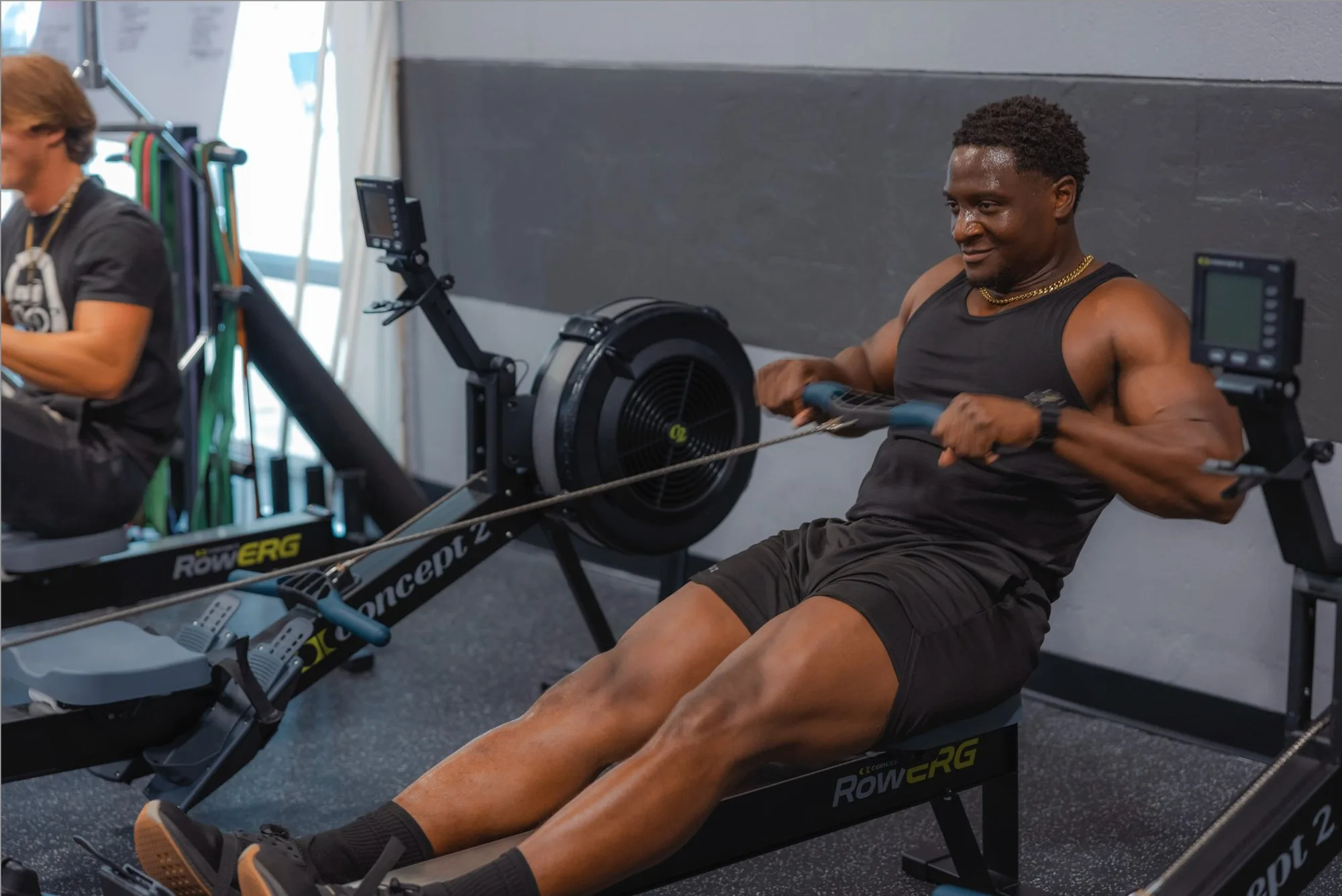
Low impact cardio is an effective way to burn calories and feel strong without straining your joints. It offers an excellent option for those with sore knees or other sensitive areas, giving your heart a workout that's both safe and fun. Whether you're just starting, getting older, or recovering from an injury, low impact cardio can support your fitness goals. Let’s explore how this approach can fit your body and lifestyle.
Key Takeaways:
- Most effective low impact cardio exercises: Swimming (water supports joints), walking (easy and joint-safe), rowing (full-body workout without impact)
- How to perform safely: Warm up 3–5 minutes; use proper form; wear supportive shoes; adjust equipment for comfort; cool down and stretch
- Ideal for: Seniors, beginners, people with joint pain, past injuries, or excess weight
- Apartment-friendly options: Low-impact dance, shadowboxing, chair workouts with light weights—quiet, safe for joints, and fun
- Fat loss strategies: Use interval training, low-impact HIIT, and resistance (bands or weights)
- Home equipment: Rowers, stationary bikes, ellipticals—compact and quiet versions available
- Beginner plan: Start 2–3 times a week, 10–15 minute sessions; gradually increase; mix different cardio movements
- Health benefits: Protects joints, supports heart and lung fitness, builds muscle tone, improves mood and mental clarity
Effective Low Impact Cardio Exercises for Joint Protection
Low impact cardio exercises provide a heart-healthy workout without stressing joints like sore knees or tight hips. Maintaining mobility and strength without causing joint pain is essential.
1. Swimming
Swimming is a top choice for joint-friendly exercise. The buoyancy of water minimizes pressure on knees, hips, and spine.
- Benefits of Swimming: Water supports body weight, easing joint stress while working the entire body. It involves arm pulls, leg kicks, and core engagement.
- Exercise Variations: Laps aren't necessary; water walking or aqua aerobics can be equally effective. Include different strokes like freestyle, breaststroke, or backstroke to add variety.
2. Walking
Walking is an easy, affordable way to maintain heart health safely.
- Advantages: It's gentle on joints and accommodates various fitness levels. Opt for soft trails or tracks to cushion steps more than pavement.
- Interval Training: Incorporate fast and slow intervals; walk quickly for one minute, then slow down for thirty seconds. This approach enhances cardiovascular benefits. 10 Fitness can offer guidance on home cardio for joint pain relief.
3. Rowing
Rowing delivers an intense, yet gentle workout for joints, targeting multiple muscle groups simultaneously.
- Full-Body Benefits: While seated, rowing minimizes impact. It efficiently engages the back, core, legs, and arms.
- Proper Technique: Start by pushing with your legs, then pulling with your arms while maintaining a flat back for smooth motion.
These exercises, including swimming, walking, and rowing, are effective cardio exercises safe for seniors, reducing injury risk and ensuring joint protection.
Safe and Effective Practice of Low Impact Cardio Exercises
Ensuring safety during low impact cardio involves warming up, maintaining good form, and using appropriate equipment.
Warm-Up and Form
- Warming Up: Boost circulation with 3-5 minutes of gentle movements like arm circles or marching in place to prepare muscles and prevent injury.
- Proper Form in Walking: Maintain an upright posture, swing arms fluidly, and roll from heel to toe to improve balance and reduce knee stress.
Equipment and Footwear
- Biking Adjustments: Position the seat and handlebars correctly to avoid leaning or rounding, ensuring knees are slightly bent when pedals are at their lowest.
- Supportive Footwear: Choose shoes that offer firm arch support and a strong grip to prevent heel or ankle strains.
- Swimming Technique: Focus on long, smooth strokes and keeping hips up to enhance muscle activation and reduce joint stress.
Cool Down and Listen
- Cooling Down: Gradually reduce pace and deepen breathing. Stretch muscles used during the workout to prevent soreness and increase flexibility.
- Listening to the Body: Pause if experiencing sharp pain. Adjust intensity or switch exercises for comfort.
Prioritizing Low Impact Cardio in Fitness Routines
Low impact cardio suits various individuals seeking active lifestyles without joint stress. It's particularly beneficial for the following groups:
Seniors
- Joint Care: As joint wear naturally occurs with age, swimming, biking, and walking offer fitness maintenance without the strain of high-impact exercises. These activities are also suited for home settings or local parks.
People with Knee Pain
- Knee-Friendly Options: High-impact activities like running increase knee pressure, whereas rowing, biking, or walking on soft surfaces provide gentle yet effective movement.
Injury Recovery
- Supportive Healing: Light movement sustains fitness during recovery, aiding healing processes. Exercises like swimming minimize pressure on recovering joints.
Beginners
- Safe Introduction: Beginners benefit from easing into exercise through low impact cardio, reducing early soreness and risk of injury. Short interval walking or gentle biking establish consistent habits.
Low impact cardio protects joints, supports heart health, and is adaptable to diverse fitness needs.
Fun and Apartment-Friendly Low Impact Cardio Options
Enjoy low impact cardio at home without needing extensive space or equipment.
Dance and Boxing
- Dance Routines: Engage in mood-lifting dance with simple footwork, arm swings, and hip rotations. Zumba, salsa, or low-impact hip-hop adapt well to small spaces. Focus on short, controlled steps.
- Low Impact Boxing: Shadowbox with jabs, hooks, and ducks to engage various muscles without leaving the ground. Maintain a strong core and slightly bent knees for stability.
Seated or Standing Workouts
- Chair Exercises: Utilize a chair and light weights for curls, presses, or leg lifts. Standing routines like overhead presses and side steps provide effective low impact exercise.
Complete a balanced workout by mixing dance, boxing, and weight routines in a small area, supporting joint health and maintaining engagement.
Utilizing Low Impact Cardio for Fat Loss
Low impact cardio, performed consistently and at the right intensity, aids in burning fat without stressing joints.
Interval Training
- Walking and Cycling Intervals: Alternate between different speeds (e.g., brisk walk for 2 minutes, slow walk for 1 minute) to enhance heart activity. Cycling workouts follow similar patterns to increase intensity safely.
Low Impact HIIT
- High-Intensity Interval Training: Apply HIIT principles to low impact exercises like air squats, lunges, and wall sits. Short, focused sessions can yield significant results.
Enhancing with Resistance
- Weights and Bands: Incorporate resistance tools like weights or bands to increase workout demands, promoting higher calorie burn. Incrementally add weights or repeats to raise intensity. 10 Fitness offers effective cardio training insights.
Home-Friendly Tools Supporting Low Impact Cardio
Bring effective low impact cardio workouts home with equipment that's both joint-friendly and compact.
Equipment Choices
- Rowers, Bikes, and Ellipticals: Select from these based on joint needs. Rowers offer full-body engagement, stationary bikes are gentle on joints, and ellipticals provide smooth simulated walking. Another great option is an elliptical workout for gentle cardio.
Compact Solutions for Small Spaces
- Space-Saving Equipment: Mini-steppers, foldable bikes, or portable rowers fit easily into small living areas. Opt for machines with magnetic resistance for quieter operation.
- Budget-Friendly Options: Explore basic equipment options from brands like Sunny or Schwinn for effective workouts without high costs. Stream workouts from devices for added convenience.
Reliable equipment enhances comfort and effectiveness in home workouts, supporting sustainable fitness habits.
Building a Sustainable Low Impact Cardio Plan for Beginners
Creating a sustainable fitness routine starts with simple, repeatable steps.
Starting a Cardio Plan
- Initial Sessions: Begin with short sessions (10 to 15 minutes) of walking or gentle biking. Gradually increase the duration weekly to build endurance.
Interval and Variation
- Beginner Intervals: Alternate quick and easy paces (e.g., fast walk for 2 minutes, easy walk for 1 minute) to mix intensity and prevent injury.
- Diverse Activities: Combining walking, cycling, and swimming works different muscles, keeping motivation high, and reducing monotony.
Tracking Progress
- Workout Logging: Record workout details, noting duration, intensity, and feelings post-exercise. Set achievable goals to maintain momentum.
The key to long-lasting fitness is consistency, as well as adapting programs to individual capabilities and responses.
Primary Health Benefits of Low Impact Cardio
Low impact cardio offers extensive health benefits, maintaining fitness without overstraining joints.
Joint Safety
- Reduced Injury Risk: Gentle movements like swimming, walking, and cycling support joint health while building muscle and endurance.
Cardiovascular and Muscle Health
- Heart and Muscle Engagement: Activities like fast walking or rowing enhance heart rates and activate muscles while ensuring low joint stress.
Mental Well-Being
- Mood Improvement: Regular movement can elevate mood, reduce tension, and improve sleep quality. Gentle, consistent exercise contributes to emotional balance.
Research supports that regular, manageable exercise yields significant health improvements. A Low impact plan is one of the ways 10 Fitness helps youstart the journey toward better joint, heart, and mental health.

How to Use Low Impact Cardio to Burn Fat and Lose Weight
Low impact cardio offers significant results for fat loss when performed consistently and at the right intensity.
Effective Low Impact Cardio for Fat Loss
Maintaining a steady pace and routine with low impact cardio promotes fat loss.
Utilizing Intervals While Walking or Cycling
Alternating between faster and slower speeds effectively enhances cardiovascular activity without stressing the knees. For instance, brisk walking for two minutes followed by slowing down for one minute, repeated for 20–30 minutes, is effective. Similarly, a comparable pattern can be applied to cycling, boosting heart health and aiding in fat burning.
Implementing Low Impact HIIT at Home
High-intensity interval training (HIIT) involves short bursts of movement followed by rest using low impact moves. For example, exercises like air squats, lunges, step taps, and wall sits can be performed for 30 seconds each, resting for 15 seconds, and repeating 3 to 5 times. These focused sessions require no special equipment, only purposeful movement and strong form.
Adding Resistance for Increased Challenge
Incorporating weights or bands into low impact exercises makes them more demanding. Additionally, using resistance tools during walking or lunges enhances calorie burning, with gradual intensity increase by adding weight or rounds.
Home-Friendly Tools for Low Impact Cardio
Achieving results with low impact cardio does not require a gym. Home-friendly tools are effective and joint-friendly.
Choosing the Right Equipment: Rowers, Bikes, and Ellipticals
Rowers offer full-body engagement with smooth motion, while stationary bikes provide ease of use and protect knees and hips. Ellipticals simulate walking without pressure. Each option offers unique features suitable for different needs. Elliptical workouts for gentle cardio are ideal after injuries.
Compact and Quiet Machines for Small Spaces
Options like mini-steppers, foldable bikes, or portable rowers suit small living spaces. Additionally, magnetic resistance machines operate quietly, and weighted sliders or basic step boards are compact yet effective. These tools maximize space and keep workouts effective and quiet.
Budget-Friendly Low Impact Cardio Gear
Affordable options like Sunny or Schwinn provide effective home exercise without high costs. Users can follow YouTube routines or bring devices for guided sessions. Some home gym non-impact training can assist in building sustainable habits.
Building a Sustainable Low Impact Cardio Plan for Beginners
A simple, repeatable plan helps beginners integrate low impact cardio effectively.
Starting a Low Impact Cardio Routine
Beginners should start with short sessions (10–15 minutes), performed 2–3 times a week; then, gradually increase the duration to build endurance. Methods like walking or gentle biking offer joint protection and are scalable.
Introducing Interval Training
Interval plans involve alternating quick and easy paces. For instance, fast walking for two minutes followed by one minute of easy walking, repeated multiple times, helps build cardiovascular strength without injury.
Mixing Cardio Types for Sustained Interest
Combining walking, cycling, and swimming engages different muscles and keeps workouts fresh and motivating. Such variation prevents overuse and maintains interest.
Tracking Progress and Staying Motivated
Keeping a workout log helps track duration, intensity, and personal feelings post-exercise. Moreover, achievable goals such as extending walk times or exploring new routines foster continuous motivation and progress.
Primary Health Benefits of Low Impact Cardio
Low impact cardio contributes to several health benefits while maintaining joint safety.
Enhancing Joint Safety
Low stress on joints reduces injury risks, making activities like walking, swimming, and cycling ideal for building muscle and endurance without strain.
Supporting Heart and Muscle Health
Light cardio like fast walking and rowing enhances heart rates and activates various muscle groups while being gentle on joints. These exercises improve blood flow and stamina.
Improving Mood and Mental Well-Being
Regular, gentle movement elevates mood, reduces tension, and fosters better sleep and focus. Activities such as pedaling, swimming, or rowing enhance mental clarity and emotional health.
Regular, manageable sessions deliver substantial health benefits, supported by resources like a low impact plan. Embrace consistent, effective movement for tangible improvements in joint, heart, and mental health.
Embrace Low Impact Cardio for a Healthier You
You don't need fancy gear to start your fitness journey. By moving smart, staying consistent, and building slowly, you'll feel positive changes in your joints, heart, and mind. Low impact cardio is a fantastic way to burn calories and stay strong without putting undue stress on your body. It's perfect for anyone with sensitive joints or those recovering from an injury. Whether you're a beginner, dealing with age-related concerns, or simply looking for a fresh approach, this plan fits your lifestyle seamlessly. For more personalized guidance, feel free to reach out to us at 10 Fitness. Contact us here to start your path to better health. You've got this!