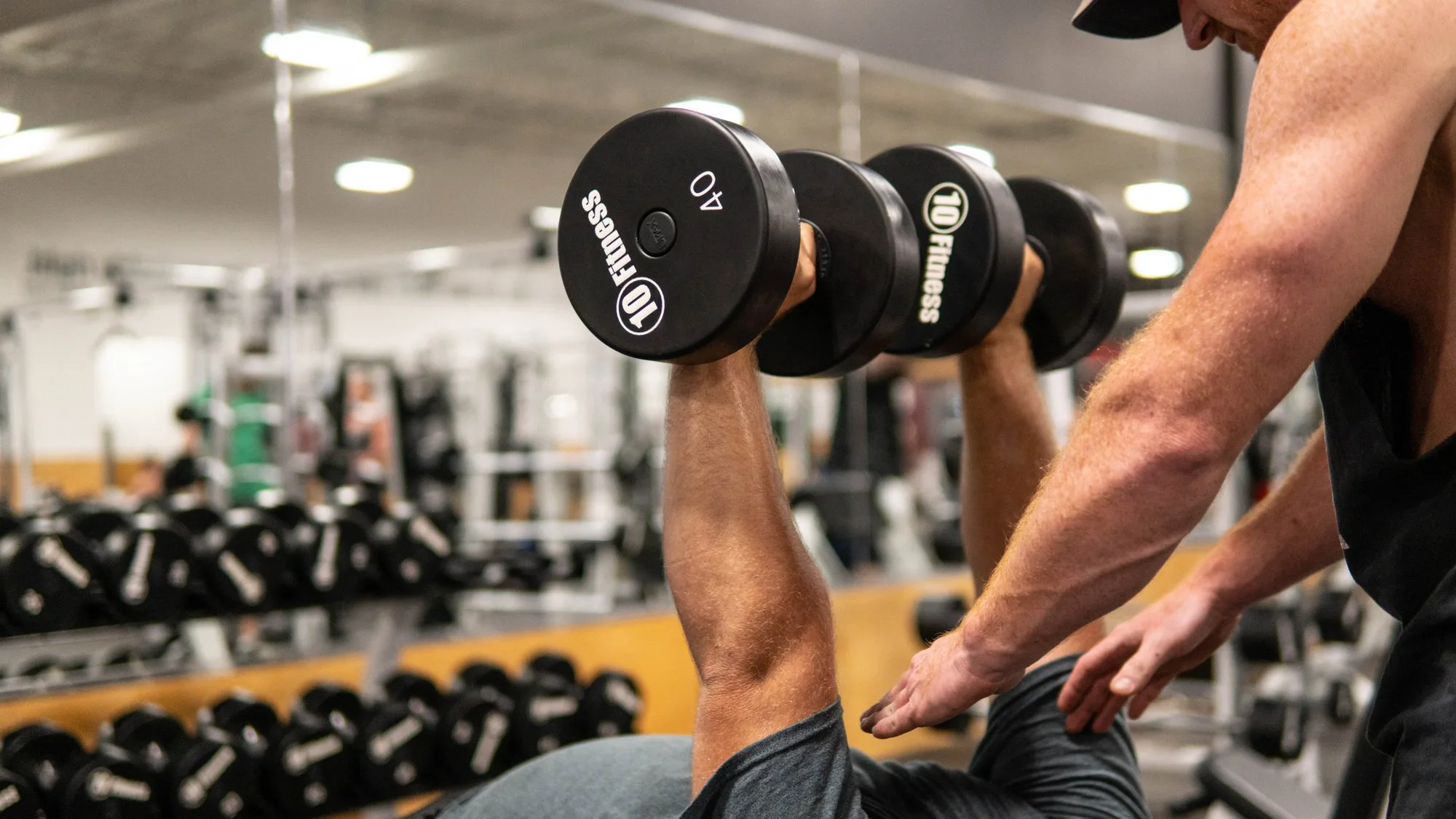
Using medications like semaglutide or tirzepatide for weight loss requires close attention to muscle mass. These drugs reduce body weight effectively by lowering appetite and slowing digestion. However, a significant portion of that lost weight can be lean muscle tissue rather than fat. Preserving muscle is vital for metabolism, mobility, and long-term health. The combination of GLP-1 and strength training offers the best path to a leaner and stronger body composition. This approach prioritizes burning fat while signaling the body to maintain its strength.
Key Takeaways:
- GLP-1 medications and muscle loss: rapid weight loss from drugs like Ozempic or Mounjaro often includes significant muscle reduction if not managed.
- Training frequency: engaging in strength training 2 to 3 times per week provides the necessary stimulus to retain lean mass.
- Gym amenities: 10 Fitness offers personal training, designated lifting areas, and Olympic level strength training.
- Protein requirements: aiming for 1.2 to 2.0 grams of protein per kilogram of body weight helps repair tissues.
- Compound movements: exercises like squats, rows, and presses are most efficient for building strength.
- Hydration needs: daily fluid intake should reach 8 to 12 cups as these medications reduce thirst signals.
- Energy management: small pre-workout snacks are essential to combat the fatigue often associated with low calorie intake.
- Rest and recovery: sleep duration of 7 to 9 hours is critical for hormonal balance and muscle repair.
How do GLP-1 medications impact muscle mass?
GLP-1 drugs can accelerate muscle loss without proper intervention.
Weight loss typically involves a reduction in both fat and lean tissue. GLP-1 receptor agonists function by mimicking a hormone that targets areas of the brain involved in appetite regulation. This leads to a caloric deficit. When the body consumes fewer calories than it needs, it seeks energy from internal stores. Without the stimulus of resistance exercise or adequate protein intake, the body breaks down muscle tissue alongside fat stores for fuel.
A study in the New England Journal of Medicine highlighted that participants using a GLP-1 experienced weight loss that included both fat and lean mass. This catabolic effect is a standard biological response to rapid weight loss. Muscle tissue is metabolically expensive, meaning the body will shed it to save energy unless there is a demand placed upon it. Loss of muscle leads to a lower resting metabolic rate, reduced physical strength, and a higher risk of injury or frailty in older adults.
Does semaglutide preserve lean muscle on its own?
No, semaglutide does not inherently protect muscle tissue.
The medication does not differentiate between burning adipose tissue (fat) and muscle fibers. Preservation of lean mass is entirely dependent on lifestyle factors adopted during treatment. Users who rely solely on the medication for weight reduction risk a condition sometimes referred to as "sarcopenic obesity," where weight is low or normal, but muscle mass is dangerously insufficient.
Integrating GLP-1 and strength training creates a synergistic effect. The medication controls the caloric intake, while the training provides the mechanical tension required to maintain muscle fibers. This combination forces the body to prioritize burning fat stores for energy while keeping lean tissue to handle the physical demands of exercise.
What is the best workout schedule for GLP-1 users?
Resistance training two to three times per week is optimal.
Consistency is more valuable than intensity for individuals on a calorie-restricted diet. Training two to three days a week allows for sufficient stimulus without overwhelming the body's recovery systems, which may already be taxed by the caloric deficit.
This frequency provides a "use it or lose it" signal to the muscular system. Between sessions, the body requires rest days to repair micro-tears in the muscle fibers. Since GLP-1 medications can cause fatigue, a schedule that alternates training days with rest days ensures that energy levels remain stable.
What types of exercises are most effective?
Compound movements that utilize multiple muscle groups yield the best results.
Isolation exercises, such as bicep curls, have their place, but compound lifts are superior for GLP-1 users. These movements engage multiple joints and muscle groups simultaneously. This increases the metabolic demand of the workout and stimulates the release of muscle-building hormones.
Effective compound exercises include:
- Squats: Target quadriceps, hamstrings, and glutes.
- Deadlifts: Engage the posterior chain, including the back and legs.
- Overhead Presses: Work the shoulders and triceps.
- Rows: Strengthen the back and biceps.
- Lunges: Improve leg strength and balance.
For those without gym access, bodyweight variations of these moves or the use of resistance bands serve the same purpose. The goal is to create resistance that fatigues the muscle within a moderate repetition range.
However, the most effective strength training happens when you’re in the gym. 10 Fitness offers a variety of amenities, from personal training to designated lifting areas, all designed with you in mind.
How Can You Elevate Your Strength Training?
By using a dedicated space in a world-class training environment, you can elevate your strength training with the Olympic Weight Room. 10 Fitness trainers are here to help you, so even if you’re just beginning, you know you’ll be supported and doing it right.

How much protein is needed for GLP-1 and strength training?
Aim for 1.2 to 2.0 grams of protein per kilogram of body weight daily.
Protein is the building block of muscle tissue. Because GLP-1 medications significantly reduce appetite, reaching protein targets can be challenging. However, it is non negotiable for muscle preservation.
For a person weighing 150 pounds (approx. 68 kg), the target range is roughly 80 to 135 grams of protein per day. This should be spread across meals to maximize absorption.
High quality protein sources include:
- Lean meats (chicken breast, turkey)
- Fish and seafood
- Eggs and egg whites
- Greek yogurt and cottage cheese
- Tofu and tempeh
- Protein powders (whey isolate or plant based blends)
Supplementation is often necessary for users who feel too full to eat whole food meals. Liquid calories in the form of protein shakes are easier to consume when appetite is suppressed.
How to manage low energy during workouts on GLP-1s?
Prioritize peri-workout nutrition and hydration.
One of the most common side effects of GLP-1 medications is fatigue. This is caused by the combination of reduced caloric intake and stabilized blood sugar levels. To combat this during exercise, nutrient timing becomes critical.
Consuming a small snack comprising simple carbohydrates and protein 30 to 60 minutes before training can provide immediate fuel. Examples include a banana, a slice of toast with peanut butter, or a handful of berries. This ensures that glycogen is available for the muscles to use during the workout.
Hydration is equally important. GLP-1s can dampen the thirst mechanism. Dehydration leads to a rapid decline in strength and cognitive focus. Users should consciously drink water throughout the day, aiming for a pale yellow urine color. Electrolyte supplements can also help retain fluid balance, especially during intense sessions.
What is a beginner strength routine for GLP-1 users?
A low volume, full body routine performed twice weekly is ideal for beginners.
Beginners should avoid high volume "bodybuilding" splits that isolate specific body parts. A full body approach hits every major muscle group in a single session, maximizing efficiency.
Sample Beginner Routine:
| Exercise | Sets | Reps | Rest |
|---|---|---|---|
| Goblet Squat (or Bodyweight Squat) | 2-3 | 10-12 | 60 sec |
| Push-Ups (Knees or Toes) | 2-3 | 8-12 | 60 sec |
| Dumbbell or Band Rows | 2-3 | 10-12 | 60 sec |
| Lunges | 2 | 10 per leg | 60 sec |
| Plank | 2 | 30-45 sec | 60 sec |
Start strength training with weights that feel challenging but manageable. The focus must be on proper form rather than lifting heavy immediately. As strength increases, weight or repetitions can be gradually added. This concept is known as progressive overload and is the primary driver of muscle adaptation.
Do GLP-1 and strength training improve weight loss results?
Research confirms that strength training maximizes fat loss while retaining muscle.
Data consistently shows that patients who combine pharmacological treatment with lifestyle interventions achieve superior body composition changes compared to those who use medication alone.
A review of body composition shifts indicates that resistance training specifically combats the reduction of resting metabolic rate. When a person loses weight, their metabolism naturally slows down. Muscle tissue boosts metabolism. Therefore, keeping muscle through GLP-1 and strength training helps prevent weight regain after the medication is stopped or a plateau is reached.
Furthermore, exercise improves insulin sensitivity independent of weight loss. This amplifies the metabolic benefits of the GLP-1 medication, leading to better blood sugar control and overall cardiovascular health.
How to minimize muscle loss on GLP-1 therapy?
Combine resistance training, high protein intake, and adequate sleep.
Preventing muscle loss is a multifactorial process. It requires a clear signal to the muscles to grow (exercise), the materials to build them (protein), and the time to do the work (sleep).
Sleep is often the overlooked variable. During deep sleep cycles, the body releases growth hormone, which facilitates tissue repair. Poor sleep elevates cortisol, a stress hormone that is catabolic and can break down muscle tissue. Aiming for 7 to 9 hours of quality sleep per night supports the hard work done in the gym.
Strength Training for Every Body
Combining GLP-1 and strength training is the most effective strategy for achieving a healthy, sustainable weight. While the medication handles appetite control, resistance training ensures that the weight lost comes primarily from fat stores rather than vital muscle tissue. By committing to two or three workouts a week, prioritizing protein intake, and staying hydrated, patients can transform their health and build a resilient body. Start with basic movements, focus on consistency, and consult a healthcare provider before beginning any new exercise regimen.
Ready to start? Head to 10 Fitness and begin with the sample routine above twice this week, and track your protein intake for the next 24 hours.