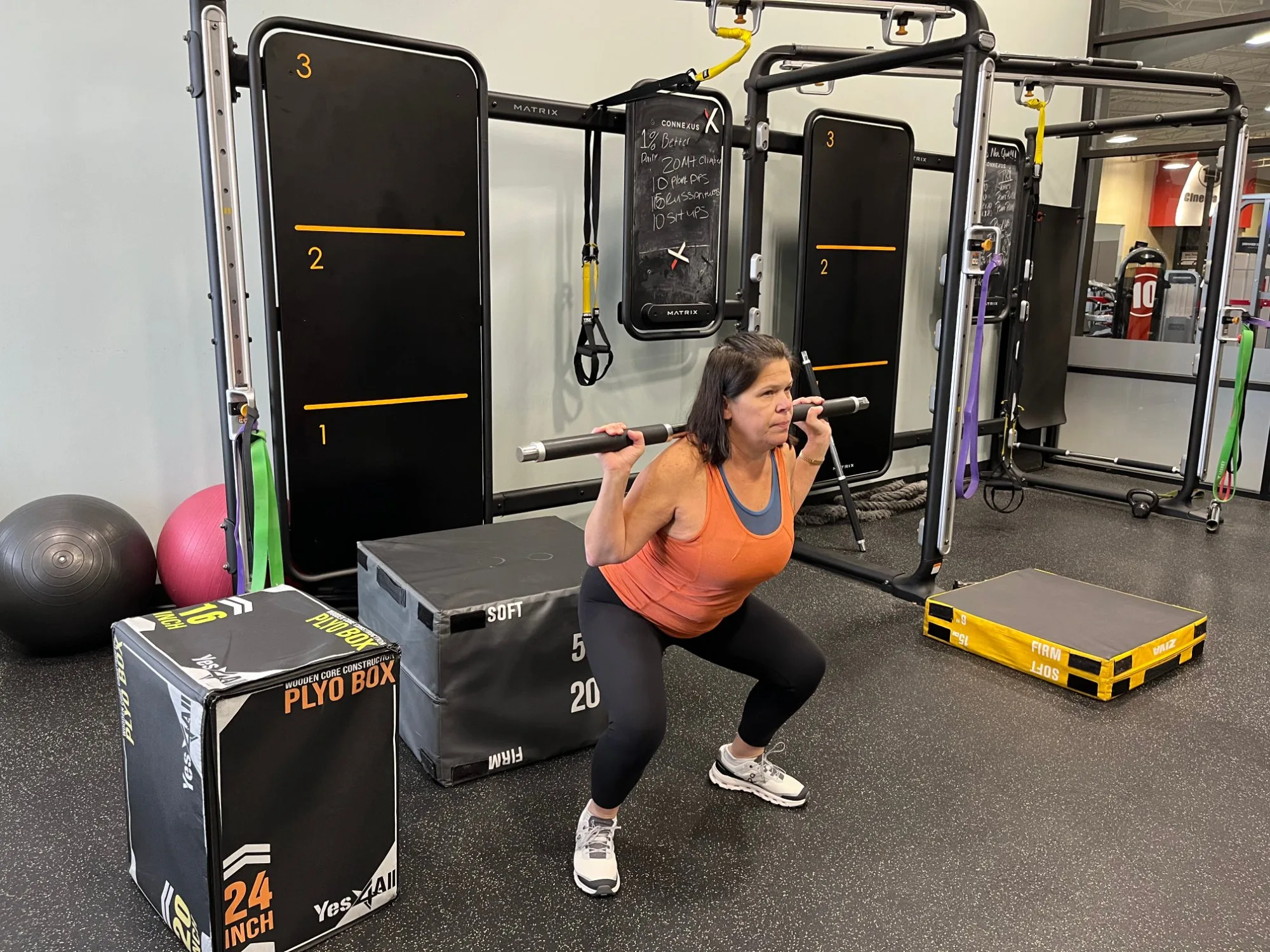
Want to lose fat and keep it off? A strength training plan for weight loss can help. Most people think cardio is the only way to slim down, but lifting weights builds muscle that burns fat all day—even when you're not working out. Here's a simple strength plan suitable for beginners that builds confidence and fits your budget. Ready to train smarter and lean out?
Key Takeaways:
- Muscle supports fat loss by increasing your resting metabolism.
- Best fat-burning exercises: squats, lunges, rows, deadlifts, presses.
- Use compound lifts and gradually increase weight, reps, or intensity.
- Circuit training and split workouts (upper/lower/full body) improve results.
- Beginners can follow a 4-week plan: 3 strength days, 2 cardio/interval days, 1–2 rest days.
- Ideal strength rep range: 8–12 for major lifts, 12–15 for lighter movements.
- Eat high-protein meals (40% protein, 30% carbs/fats) to support muscle and fat reduction.
- Rest days help prevent injury and aid fat burning; include active recovery.
- Track changes through strength gains, how clothes fit, and photos—not just the scale.
- Steady workout challenges help avoid plateaus and support continued fat loss.

A Strength Training Plan for Weight Loss: Your Complete Guide to Burning Fat and Building Muscle
When it comes to lasting fat loss, a strength training plan for weight loss is one of the smartest strategies you can follow. While cardio burns calories during your workout, strength training continues to burn calories long after you’ve stopped moving. It builds lean muscle, boosts metabolism, and reshapes your body in ways that dieting alone never can.
Whether you're just starting out or looking to switch up your routine, this guide will walk you through the key principles, workouts, nutrition strategies, and recovery methods to help you lose fat and gain strength—all without wasting time or energy.
Strength Training Supports Weight Loss Around the Clock
Muscle is active tissue, meaning it requires energy to maintain—even while you sleep or sit at your desk. Fat, on the other hand, needs very little energy. That’s why strength training boosts your resting metabolic rate, making your body burn more calories 24/7.
Compound exercises like squats, deadlifts, rows, and push-ups target multiple muscle groups at once. These moves not only build more strength per rep but also elevate your heart rate, offering a subtle cardio benefit. This combo makes them essential in any strength training plan focused on fat loss.
Why Progressive Overload Matters
To ensure long-term progress, progressive overload is essential—gradually increasing the challenge of your workouts. For example, this might mean lifting heavier weights, adding reps, or shortening rest periods. Otherwise, your body adapts, and consequently, burns fewer calories over time.
Even small changes, in fact, can make a big difference. For instance, going from 12 to 15 reps or increasing dumbbells from 15 to 20 pounds keeps your metabolism active and your muscles growing.
Consistent, sustainable improvement—not perfection—is what drives real change.
How to Structure a 4-Week Strength Training Plan for Weight Loss
Here’s a practical, gym-based routine that balances strength, cardio, and recovery. Each week builds on the last, giving you structure and room to grow.
Weekly Breakdown
Certainly! Here's the text with transition words added for better flow:
Week 1:
- Begin with 3 strength sessions (either full-body or split between upper and lower body).
- Include 3 cardio sessions (20–30 minutes of walking or biking).
- Incorporate 2 interval circuits (with short bursts of high effort, like mountain climbers or jumping jacks).
Week 2:
- To enhance your routine, increase strength by adding one more set per exercise.
- Add a 4th round to your interval circuit.
- Bump up the cardio duration by 10 minutes.
Week 3:
- As you progress, lower the reps to 8 and increase weights.
- Subsequently, add a 5th round to your interval circuit.
- In addition, introduce new compound moves like barbell squats or kettlebell swings.
Week 4:
- For continued growth, keep reps low and weights high.
- Add a 6th round to your interval workouts.
- Maintain cardio but focus on intensity, such as incline walks or faster paces.
Progress Isn’t Just Scale-Based
The number on the scale may not drop every week, and that’s perfectly normal. Instead, consider tracking your progress through other means:
- First, assess your energy levels.
- Pay attention to how your clothing fits.
- Note any strength gains you experience.
- Observe your recovery time.
These indicators often show progress even when the scale does not. Fat loss often shows up in how you feel first, then how you look.
What to Eat to Support Fat-Burning Strength Workouts
Food is fuel, especially when you’re building muscle. To support your strength training plan for weight loss, focus on:
- Protein (40%): Include sources like chicken, eggs, fish, tofu, and Greek yogurt.
- Carbs (30%): Opt for sweet potatoes, rice, oats, and fruit.
- Fats (30%): Additionally, incorporate avocados, nuts, and olive oil.
Meal Timing Tips
- Before workouts: First, eat a small carb + protein meal, such as oats and eggs.
- After workouts: Then, refuel with protein and carbs, like chicken and rice.
- Avoid heavy fats pre-workout: Since they can slow digestion, it's best to steer clear.
Easy Meal Prep Ideas
- To simplify your routine, batch-cook grilled chicken, roasted veggies, and rice.
- Also, make overnight oats with protein powder and berries.
- Keep snacks like hard-boiled eggs, tuna packs, and Greek yogurt on hand.
By staying fueled, you ensure your body remains strong and your fat loss stays steady.
The Most Effective Exercises for Fat Loss and Muscle Gain
Compound lifts recruit the most muscle and burn the most calories. Therefore, focus on:
- Deadlifts
- Squats
- Lunges
- Push-ups
- Rows
- Overhead presses
These moves not only build strength but also raise your heart rate and improve posture and mobility.
Sample Weekly Split
- Monday: Start with squats, lunges, and calf raises.
- Tuesday: Then, move on to rows, chest press, and overhead press.
- Wednesday: Take a break to rest or engage in light cardio.
- Thursday: Continue with deadlifts, kettlebell swings, and planks.
- Friday: Finally, finish with a full-body circuit (light weight, high reps).
Stick with 3 sets of 8–12 reps for compound lifts and 12–15 reps for smaller moves.
If you don’t have a barbell, don't worry—dumbbells or even body weight will work just fine.
Why This Plan Works for Women Too
Many women hesitate to lift because they fear "bulking up." But that’s a myth. Women don’t naturally build bulky muscle without extreme training and diet. Instead, strength training helps burn fat, define muscles, and improve everyday energy.
Strength-Based Routine for Women
Start with 3 sets of 12 reps using light-to-moderate weights. Focus on:
- Upper body: Rows, presses, curls
- Lower body: Squats, deadlifts, glute bridges
- Core: Planks, Russian twists, crunches
Weekly Example
- Monday: Lower body
- Wednesday: Upper body
- Friday: Full-body circuit
Circuits raise heart rate and support fat loss. Include moves like:
- Goblet squats
- Kettlebell swings
- Bent-over rows
- Dumbbell presses
- Plank holds
By weeks 3–4, decrease reps to 8 and increase weight. Add more rounds to the circuit for intensity.

Rest and Recovery Are Part of the Plan
Muscles don’t grow during workouts—they grow during rest. That’s why recovery is essential in any strength training plan.
Why Rest Supports Fat Loss
Rest days allow your body to repair muscle tissue, using stored energy (fat) in the process. Overtraining can lead to poor sleep, high stress, and stalled fat loss.
Active Recovery Options
- Walking
- Stretching
- Gentle yoga
- Light swimming
Aim for 1–2 rest or active recovery days per week. It’s not laziness—it’s smart training.
Tracking Progress and Avoiding Plateaus
Weight loss isn’t linear, and the scale doesn’t tell the whole story. Instead, track:
- Strength gains (more reps, heavier weights)
- Clothing fit
- Endurance and energy
- Sleep and recovery
How to Stay on Track
- Log workouts in a notebook or app
- Increase reps or weight every 1–2 weeks
- Switch up your training style monthly
If you’re stalling, consider:
- Adjusting your calorie intake
- Adding rest
- Changing your workout format
Progress takes time. Stick with it, and results will come.
Ready to Start Your Strength Training Journey?
Find a 10 Fitness Location Near You Today
Your next level of fitness is closer than you think. At 10 Fitness, you’ll find expert trainers, beginner-friendly programs, and state-of-the-art equipment to help you build strength and burn fat. Whether you’re brand new or getting back into fitness, 10 Fitness has a plan for you.
Find your nearest 10 Fitness gym and take the first step toward your strongest self.
A smart strength training plan for weight loss is more than just lifting; it’s about building habits, fueling your body, and progressing at your own pace. Compound movements, structured weeks, smart eating, and intentional rest all work together to shift your body and your mindset. You don’t need perfection—just consistency and a plan that fits your life. With each session, you’re not just losing fat—you’re gaining strength, confidence, and control.