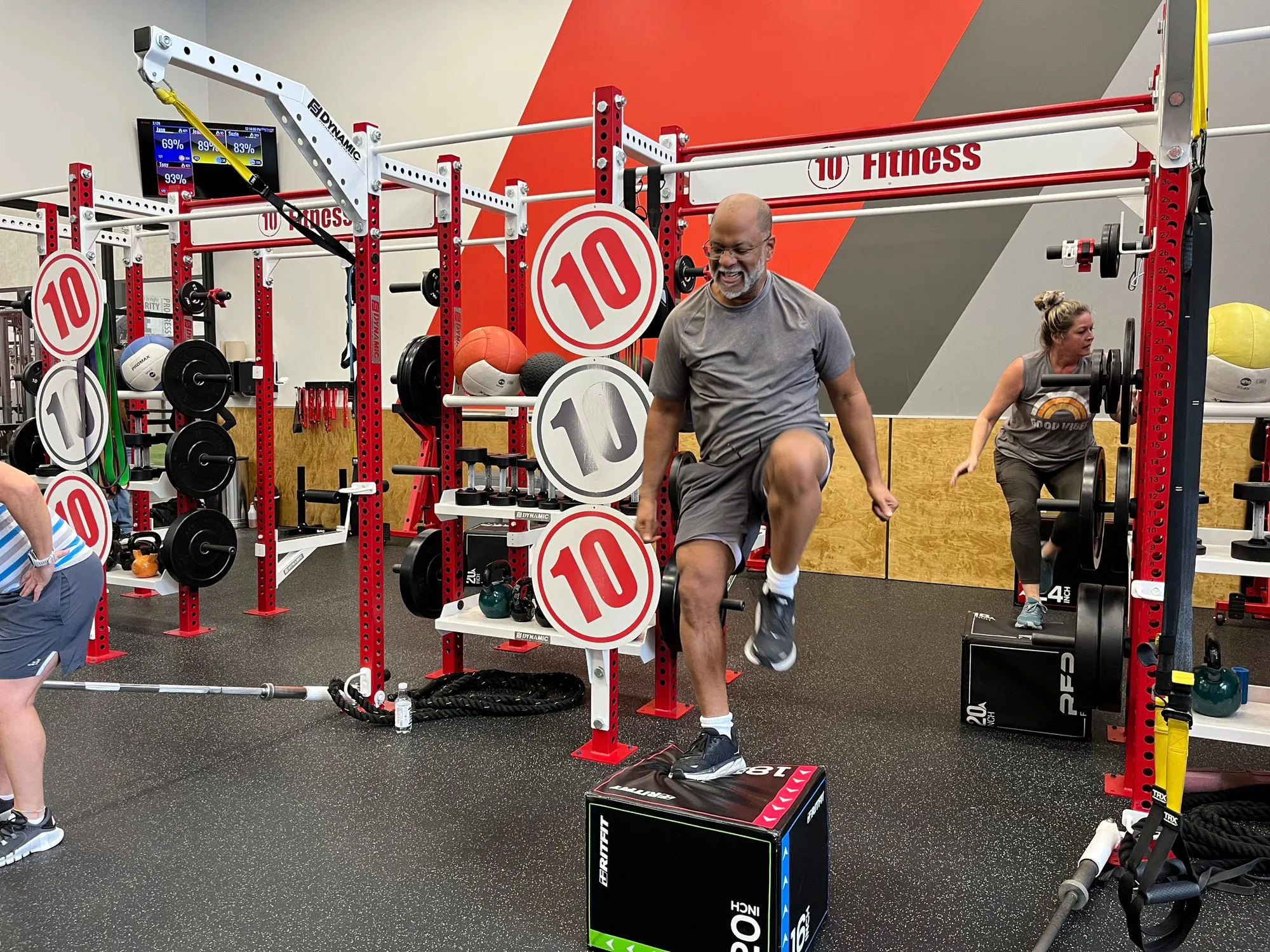
Explore the contrast between strength training and functional training. Looking to boost your strength without spending money or effort in vain? You're in good company. Numerous individuals at 10 Fitness ask about the differences between these two training methods. The fact is, they're unique, and knowing which suits your objectives can yield substantial gains. For effective results and intelligent workouts, let's break it down.
Key Takeaways:
- Strength training uses heavy weights and machines to make muscles bigger and stronger.
- Functional training helps with real-life movements, improving balance and core strength using bodyweight, kettlebells, and bands.
- Functional workouts include actions like squats, lunges, pushes, pulls, hinges, carries, and planks.
- Beginners should do 2–3 full-body workouts each week with 4–5 different exercises.
- Functional training can help burn more calories and lose fat because it involves full-body movements and raises your heart rate.
- Kettlebells and bands are great for exercises that focus on balance and can be used in small spaces.
- Printable 4–12 week plans provide a schedule and keep you accountable with daily exercises.
- Hybrid plans mix traditional and functional training to build strength and improve movement over time.
- Smartwatches and fitness apps track your reps, sets, heart rate, and progress.
What Is the Difference Between Strength and Functional Training?
Strength training targets specific muscles using heavy loads, focusing on power and size through equipment like barbells and machines. This approach supports muscle growth and increased lift capacity.
Functional training enhances real-life movement strength by simulating daily activities. It uses multiple muscle groups simultaneously, improving coordination, balance, and core strength with bodyweight exercises, kettlebells, and bands.
How Can You Build a Beginner Strength and Functional Training Workout Routine?
Core Movements in Functional Strength Training
Begin with movements like squats, lunges, pushes, pulls, hinges, carries, and core exercises. Each move targets multiple muscle groups:
- Squats work legs and core.
- Lunges build balance and control.
- Push-ups strengthen chest and arms.
- Rows develop back and shoulder muscles.
- Hinges, such as deadlifts, improve posture and hip strength.
- Planks and bird-dogs stabilize the midsection.
- Farmer’s carries enhance grip and posture.
Structuring Weekly Training Sessions for Strength and Functional Training
Schedule 2–3 sessions weekly with rest days in between. Each should include 4–5 movements, completing 2–3 rounds of 25–35 minutes.
Sample Week:
- Monday: Full-body circuit.
- Wednesday: Core and legs.
- Friday: Full-body with carries.
Warm up with light movements and cool down with stretching.
Recommended Equipment:
- Resistance bands.
- Dumbbells (5–15 lbs).
- A mat.
- A step or box.
- A kettlebell.
Build consistency, focusing on form rather than speed. Add new movements or equipment as stability improves.
Key Benefits of Functional Training for Daily Life
Reducing Injury Risk
Functional training strengthens supporting muscles for everyday tasks. Movements such as lunges enhance joint support, reducing injury risk during activities like lifting or carrying.
Enhancing Flexibility, Balance, and Coordination
Functional exercises mimic daily actions, stretching and activating muscles together. Movements like standing on one leg or weight shifting improve stability and coordination.
Long-Term Health Advantages
Functional workouts slow age-related muscle decline, supporting hip, core, leg, and back strength for active aging. They enhance bone density and heart function through full-body motion.
How Functional Training Can Be Done Effectively
Functional routines are effective with minimal space and equipment. These exercises support tasks like lifting, standing, or climbing stairs.
Best At-Property Full-Body Circuits
A solid circuit includes:
- Squats (15 reps)
- Push-ups (10 reps)
- Glute bridges (12 reps)
- Step-ups (10 reps per leg)
- Plank hold (30–45 seconds)
Repeat 2–3 rounds, resting between. Add intensity with dumbbells.
Dumbbell or No-Equipment Exercises
With dumbbells:
- Goblet squats (3 sets of 10)
- Bent-over rows (3 sets of 12)
- Overhead presses (3 sets of 10)
- Romanian deadlifts (3 sets of 8)
- Farmer’s carries (30 seconds)
No equipment needed for lunges, push-ups, wall sits, and more.
Progression From Beginner to Intermediate
Increase challenges gradually by enhancing weights, reps, or reducing rest. Track progress each week to maintain engagement. See this functional fitness challenge.
How Does Strength and Functional Training Affect Fat Loss?
Calorie Burning Comparison
Functional training typically burns more calories due to full-body usage and raised heart rates during circuits, enhancing fat burn.
Traditional strength uses fewer muscles, resulting in less energy expenditure. For optimized fat loss, combine both methods.
Heart Rate and Fat Loss in Functional Circuits
Functional circuits boost heart rates into fat-burning zones, maximizing post-workout calorie use. Exercises like burpees or kettlebell swings keep the heart rate elevated.
Combining Both Methods for Effective Fat Loss
Incorporating both types accelerates fat loss. Functional workouts quickly raise heart rates, while strength training builds muscle for increased resting calorie use. A mix of 3 functional and 2 strength days weekly offers balanced results. If needed, supplement with light activities such as walking or biking.
Best Functional Workouts to Improve Strength and Balance
Compound Movements for Balance and Coordination
Focus on squats, lunges, and single-leg deadlifts. These moves engage multiple muscle groups and reflect daily motions, enhancing coordination.
Integrate step-ups, bear crawls, and bird-dogs to improve full-body strength and control.
Integrating Core Stability into Workouts
Use exercises like planks, glute bridges, and farmer’s carries. These enhance deep core strength, hip support, and posture. Unilateral carries challenge stability further.
Effective No-Equipment Routines
A basic circuit includes:
- 10 squats
- 8 lunges each leg
- 10 push-ups
- 10 step-ups each leg
- 20-second plank
Repeat 2–3 times. Add difficulty by standing on one leg or altering the pace.
Special workouts mimic real-world tasks, improving overall body function with limited space and equipment. Gain strength and movement fluency with 10 Fitness's smart workout plans. For more personalized assistance, contact us.
How Can Functional Workouts Support Athletic Performance With Strength and Functional Training?
Functional training enhances sports movements like sprinting or shifting direction by mimicking real-life actions. This approach improves coordination, balance, and core strength, which are essential for athletes.
Best Mobility and Strength Drills for Athletes
- Squats, Lunges, Planks, and Deadlifts: Form a strong foundation for various sports.
- Barbell Squats: Beneficial for jumpers.
- Deadlifts: Support lifters and runners by enhancing lower-body strength.
- Lunges and Kettlebell Swings: Train all-around motion and offer multifaceted benefits.
For mobility, incorporate inchworms, bodyweight squats, and walking lunges. These drills enhance flexibility and prevent injury.
Enhancing Coordination and Explosive Power With Compound Lifts
Compound lifts like deadlifts and squats require full-body coordination, fostering better control and a strong core. Olympic lifts, such as cleans or presses, add timing to strength, beneficial for sports with bursts of effort.
Progressive Overload in Athletic Functional Training
Progressive overload develops new strength levels by gradually increasing challenges through added weight, reps, or reduced rest. This method encourages continuous adaptation, leading to stronger, faster, and safer athletes.
Which Tools and Training Formats Are Most Effective for Functional Strength and Functional Training?
Kettlebells, dumbbells, and resistance bands are key tools supporting real-world movements by building grip, core stability, and balanced motion.
Kettlebells and Resistance Bands for Strength and Functional Training
- Kettlebell Swings: Boost strength in legs, hips, and spine, engaging the core.
- Resistance Bands: Add resistance across a large range of motion, promoting balanced, full-body movement.
These tools are portable, cost-effective, and require minimal storage, making them ideal for property or travel workouts.
Structuring an Effective Total-Body Dumbbell Circuit
For a comprehensive workout, select five moves targeting push, pull, squat, lunge, and core:
- Squat to Press
- Bent-Over Row
- Reverse Lunge with Curl
- Deadlift
- Plank Row
Do each for reps, rest a minute, and repeat 2-3 times. Start with lighter weights for safety.
Tools Complementing Bodyweight Exercises
Incorporate dumbbells, bands, and kettlebells to diversify training options. Bands can add resistance to squats, while kettlebells improve balance in step-ups. A dumbbell on your back during push-ups increases effort without relying on machines.
Is There a Printable Functional Strength Plan Following Strength and Functional Training?
A structured 4-week or 12-week functional plan, including squats, pushes, pulls, hinges, lunges, and core movements, enhances progress. Key beginner exercises might include bodyweight squats, push-ups, bird-dogs, and lunges, gradually incorporating light weights or bands.
Sample Weekly Plan
- Day 1: Lower Body (Squats, Hinges)
- Day 2: Walk or Rest
- Day 3: Upper Body + Core
- Day 4: Balance-Focused Day
- Day 5: Full-Body or HIIT Circuit
- Day 6: Light Cardio or Rest
- Day 7: Full Rest
PDF programs, like the 12-week functional workout plan, provide structure with reps, rest breaks, and demo visuals. QR codes often link to form videos for additional guidance.
Hybrid Plans for Enhanced Strength
Combining traditional lifts with movement-based circuits builds strength and improves movement fluency. Programs from brands such as Peloton and VERVE Fitness offer gradual increases in reps or resistance without burnout. A printed plan supports consistency and tracking progress.
How Does Tracking Help Functional Workouts in Strength and Functional Training?
Smartwatches and Their Limitations
Smartwatches like Apple Watch track basic movement patterns, heart rate, and duration, but may miss stance changes or range aspects, such as deadlift depth. Despite limitations, they effectively monitor frequency and effort.
Best Apps and Watch Settings for Strength Training
Utilizing strength or circuit-focused apps enhances workout tracking. Apple Watch's “Functional Strength Training” setting estimates effort while apps like SmartGym, Strong, or Fitbod log data and offer exercise suggestions.
Set up these apps to track reps, rests, and weights. Apps such as the PF App can link to equipment, supporting more comprehensive gym session logs.
Using Metrics to Improve Functional Fitness Progress
Logging reps, sets, heart rate trends, and difficulty levels enhances awareness of strength and recovery growth. Tracking metrics like workout speed, rest length, or perceived effort helps refine training. Start small by tracking a few stats, incrementally expanding to see improvement.
Functional and strength training foster practical strength and safety in daily life. 10 Fitness provides programs and guidance without a gym obligation, encouraging smart practice and steady progress. For more personalized assistance, contact us.
Start Strength and Functional Training with 10 Fitness
Want help getting started on your fitness journey? Check this out and begin building strength that works for your life. Discover the difference between strength training and functional training with 10 Fitness. Our programs help you get stronger without wasting a dollar or a single rep. Many at 10 Fitness inquire about which method aligns best with their goals. By choosing the right approach, you can achieve significant improvements. Our experts are ready to guide you with smart workout plans. For more information or personalized assistance, feel free to contact us. Start your transformation today and see the results for yourself!