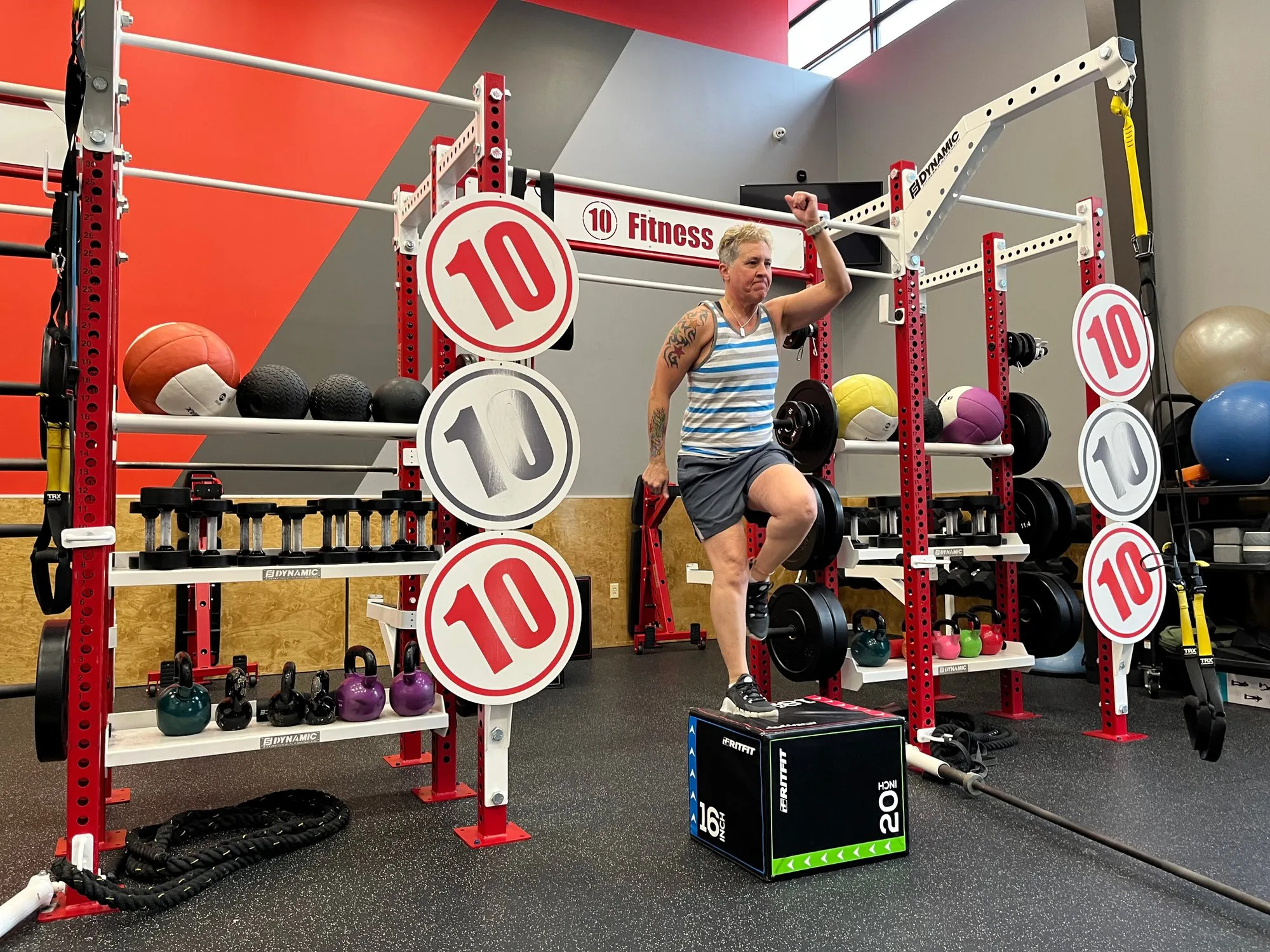
You just finished your workout—now what? What you do next is just as important. Skip post-workout recovery, and you're more likely to feel sore, stiff, or even get hurt. If your goal is to get fit without wasting effort, good recovery habits let you get more from each session. We’ll show you the best ways to refuel, rehydrate, and rebuild—without wasting time or money.
Key Takeaways:
- Cool down and stretch right after workouts to lower your risk of injury.
- Drink fluids soon after exercise — water for shorter sessions, sports drinks for longer or intense ones.
- Refuel within 30–60 minutes with 20–40g protein and 40–105g carbs.
- Sleep 7–9 hours a night (8–10 for heavy training); deep sleep supports muscle repair.
- Rehydrate by replacing 20–24 oz of water per pound lost in sweat; add electrolytes if needed.
- Pair protein and carbs after training; strength = 1:1–2, endurance = 1:3.
- Useful tools: foam rolling, contrast showers, walking, and tart cherry juice.
- Supplements like creatine, omega-3s, and tart cherry can help—food and rest matter more.
- Inflammation helps muscles grow; manage excess with food—not pain meds.
- Try light movement (like walks or yoga) after tough workouts—fully rest if in pain.
Post Workout Recovery And How To Make It Work For You
Every workout is only as powerful as the recovery that follows it. Because exercise breaks down muscle fibers and challenges energy systems, post workout recovery is the critical stage where those systems rebuild, adapt, and become stronger. Without recovery, progress slows, soreness drags on, and risk of injury rises. By focusing on recovery habits like cooling down, rehydration, nutrition, sleep, and smart supplementation, you can transform how quickly and effectively your body bounces back.
Post Workout Recovery Begins The Moment Training Ends
Recovery starts the second you stop exercising. Cooling down with a short walk and targeted stretches helps slow your heart rate, prevents blood from pooling in your limbs, and begins the repair process. Holding each stretch for 30 seconds while breathing deeply signals your body to ease into recovery mode. Moreover, hydration plays an immediate role. Water is perfectly fine for shorter sessions, while longer or more intense efforts often require sports drinks or even natural choices like bananas and coconut water to restore electrolytes.
Nutrition also matters right after training. Aim for a balanced snack or meal within 30 to 60 minutes. A combination of protein and carbohydrates is essential because protein repairs muscle tissue and carbohydrates restore glycogen stores. Classic options include eggs with whole-grain toast, a banana smoothie with whey protein, or even chocolate milk. These habits reduce soreness, speed healing, and lower injury risk, which matches guidance from trusted health organizations such as the Cleveland Clinic.
Recovery Relies On Adequate Sleep
Although nutrition and hydration are essential, sleep is the unsung hero of recovery. When you rest deeply, your body releases growth hormone, rebuilds muscle fibers, and strengthens bones. For most active adults, 7 to 9 hours of sleep is enough, while high-intensity or frequent training may require 8 to 10 hours. Poor sleep leads to higher cortisol levels, slower repair, and lingering soreness that increases your risk of injury.
Good sleep hygiene makes a difference. Going to bed at the same time, lowering room temperature, minimizing late-day caffeine, and avoiding screens can improve deep sleep quality. Techniques like slow breathing or light reading also help transition into rest, ensuring that healing takes place overnight.
Your Recovery Is Powered By The Right Foods
The food you eat after workouts directly shapes how well your body recovers. Because exercise breaks down muscle fibers, protein-rich foods are necessary to rebuild them. Carbohydrates restore energy stores, while healthy fats support joints and reduce inflammation. Ideal post workout meals combine all three.
Great options include:
- Chicken or salmon with rice and vegetables for a complete dinner.
- Greek yogurt with berries and almonds for a lighter snack.
In addition, small balanced snacks like cottage cheese with pineapple or a boiled egg with a banana can support recovery without adding excess calories. Research also shows that foods like tart cherry juice, whole eggs, and leafy greens provide anti-inflammatory benefits, further assisting in faster recovery.
Balance Protein and Carbohydrates
Protein alone cannot deliver full recovery, and carbohydrates are equally necessary. Protein rebuilds muscle fibers, while carbs provide fuel and transport nutrients into muscle cells. Aiming for 20–40 grams of protein and 0.5–0.7 grams of carbohydrates per pound of body weight supports recovery for most people. For example, a 150-pound person may need 30 grams of protein and 75–105 grams of carbs after training.
Examples of balanced meals include:
- A turkey sandwich on whole grain bread
- A shake with banana
- Chicken paired with sweet potatoes
Endurance athletes may increase the carb ratio, while strength athletes often keep protein and carbs closer to even.
Post Workout Recovery Requires Smart Hydration Strategies
Sweat depletes water and electrolytes, which slows down post workout recovery if they are not replaced. A general rule is to drink 20–24 ounces of water per pound lost during exercise. For intense sessions, sports drinks with sodium and potassium or foods such as bananas, yogurt, nuts, and leafy greens help replenish electrolytes.
Practical hydration steps include drinking 16–20 ounces of fluid two hours before training, sipping small amounts during exercise, and replacing losses afterward. Monitoring urine color is a simple way to gauge hydration: pale yellow indicates adequate fluid, while darker shades suggest the need to drink more.
Boost Recovery with Supplements
Although food, hydration, and sleep are fundamental, certain supplements can enhance recovery. Creatine improves glycogen replenishment and supports muscle strength. Omega-3 fatty acids reduce inflammation, and tart cherry juice has been shown to decrease muscle soreness when consumed consistently after tough training sessions. Turmeric and magnesium also support muscle and joint health.
However, supplements should never replace the basics. They are best seen as supportive tools to complement a foundation of sleep, good meals, and hydration. For more on safe supplementation, see resources from the National Institutes of Health.

Post Workout Recovery For Intense Workouts Requires Active Care
After especially tough workouts, emphasizing recovery tools is essential. Gentle movement, stretching, and foam rolling promote circulation, reduce stiffness, and accelerate healing. Contrast showers, alternating hot and cold water, can also stimulate blood flow and reduce soreness.
Many athletes also use Epsom salt baths or topical creams, but science shows that active recovery works better than complete rest. Light activities like walking, swimming, or yoga provide circulation benefits without adding strain, making them ideal for days after high-volume or high-intensity training.
Post Workout Recovery Routines are Essential for Beginners
Beginners should build recovery habits into their schedules from the start. A cool-down with stretching followed by hydration is non-negotiable. Within an hour, a balanced meal with at least 20 grams of protein helps muscles adapt. Foam rolling and gentle yoga sessions on rest days keep muscles flexible and reduce soreness.
A balanced weekly schedule for beginners may include three days of strength training, two days of light cardio, and two days focused on recovery practices such as stretching or massage. Sleep should always remain a priority because the body grows stronger during rest, not during exertion.
Use Hydration To Heal Muscles
Hydration is directly tied to faster recovery because water transports nutrients, oxygen, and waste products throughout the body. A loss of only 2% of body water can reduce performance and delay healing. Because of this, athletes are encouraged to weigh themselves before and after workouts and aim to replace each lost pound with 20–24 ounces of fluid.
Electrolytes are equally important. Sodium helps retain water, potassium supports muscle contractions, calcium aids bone health, and magnesium helps nerve signaling. These can be obtained from whole foods or moderate sports drink consumption, depending on workout length and intensity.
Balance Post-Workout Inflammation For Better Healing and Faster Recovery
Inflammation naturally occurs after exercise as part of the muscle-healing process. However, too much inflammation prolongs soreness and slows recovery. While acute inflammation is helpful, managing excessive swelling is key. Anti-inflammatory foods like salmon, spinach, turmeric, and tart cherries are excellent choices to reduce excess inflammation without stopping natural repair.
Ice can help with short-term flare-ups but should not be overused, as frequent icing may delay healing if applied daily. Topical creams and natural supplements like omega-3s are often better long-term options.
Adjust Next-Day Activity
The day after a hard workout, light movement usually works better than total rest. Activities such as walking, swimming, or yoga increase blood flow and loosen stiff muscles. However, if soreness includes sharp pain or swelling, full rest may be best.
Monitoring your own signs is critical. If normal daily movements feel restricted or sleep is disrupted by pain, recovery requires more downtime. If soreness is mild, gentle activity will typically speed up healing. Knowing the difference ensures steady progress without unnecessary injury.
Take The Next Step Toward Smarter Recovery
Recovery is not optional—it is part of progress. By building a structured routine that balances hydration, nutrition, sleep, and smart activity, your body can bounce back stronger after every session. To learn more about creating safe and effective fitness routines, visit 10 Fitness or dive into their guide on how to reduce your injury risk at the gym. Start your recovery journey today, and give your body the care it deserves after every workout.