Red light therapy for muscle recovery in Arkansas: does it work (and how to use it at 10 Fitness)
Muscle soreness can wreck your consistency, especially when you’re training hard and trying to build momentum. Red light therapy (RLT) is one of the most talked-about recovery tools right now because it’s simple, quick, and non-invasive. But does it actually help you recover faster… or is it just hype? Here’s what the evidence and best-practice protocols suggest, plus how to use red light therapy for muscle recovery right here in Arkansas at 10 Fitness.
Key Takeaways
- Red light therapy may support recovery by increasing cellular energy (ATP) through mitochondrial activation (often linked to cytochrome c oxidase).
- The most studied wavelengths for performance/recovery fall in the red + near-infrared range (about 630–850 nm).
- Many studies show the strongest results when RLT is used before training (often called pre-conditioning).
- Post-workout RLT results are mixed; dose and timing matter, and “more” isn’t always better.
- RLT may help by improving circulation, supporting inflammation regulation, and also encouraging tissue-repair signaling.
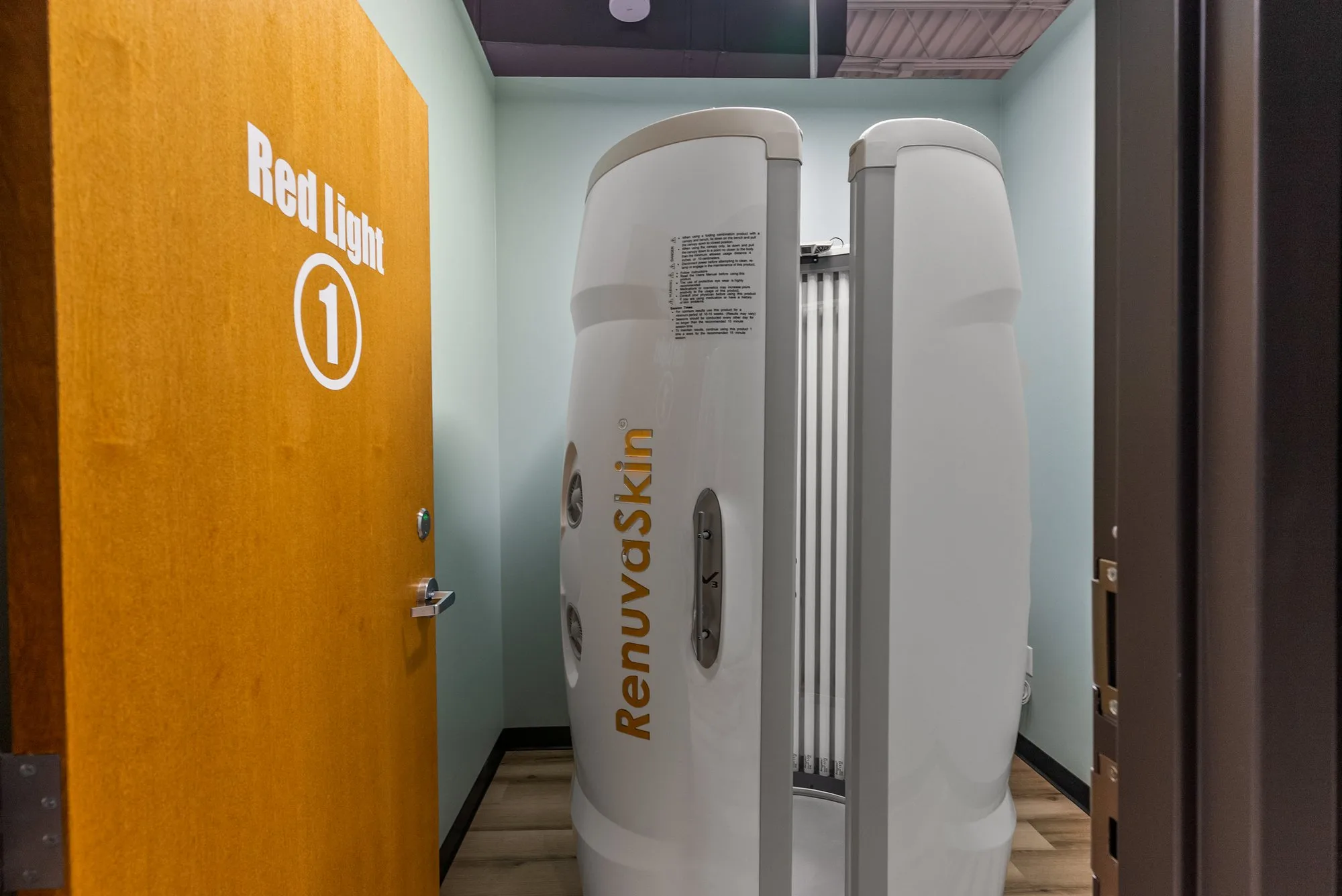
- If you want a fast, budget-friendly recovery add-on without buying equipment, your best move is to use the red light therapy amenity at 10 Fitness (where available).
What Does Red Light Actually Do?
Red and near-infrared light can be absorbed by your cells and may help your mitochondria create more ATP, the energy your muscles rely on to perform and recover.
The Deeper Explanation
Hard training creates tiny muscle disruptions (micro-tears), metabolic stress, and a temporary spike in inflammation and oxidative stress. Your body rebuilds from that stress, but only if you recover well.
According to research conducted by the Cleveland Clinic, red light therapy is thought to help muscle recovery by:
- Supporting mitochondrial function (energy production)
- Encouraging better local blood flow (oxygen + nutrient delivery)
- Helping regulate inflammatory responses (important for soreness and tissue repair)
- Supporting cellular signaling related to repair and adaptation
The practical takeaway: red light therapy isn’t a magic wand, but it may help your body do what it’s already trying to do, recover and rebuild, more efficiently.
What Does Research Say About Red Light Therapy For Athletic Recovery?
Red light therapy (RLT) is often studied as a recovery and performance tool. Across research on trained and recreational athletes, pre-workout RLT is frequently associated with better performance outputs (reps, endurance, strength) and lower muscle-damage markers after training.
Can Red Light Therapy Actually Help With Muscle Recovery?
Yes, especially when used consistently before or after training.
What it may support:
- Performance (more reps, better endurance, improved strength output)
- Reduced post-training muscle-damage signals (in many study designs)
Our team of trainers is here to help answer any questions you might have about using red light therapy for muscle recovery.
Options for Using Red Light Therapy That You Can Start Now
For many athletes, the most effective timing is 10–20 minutes before training, targeting the muscles you’re about to use. Choose the option you’ll actually do consistently:
Pre-Workout Red Light Therapy
- Use RLT 10–20 minutes before lifting or cardio
- Target primary movers:
- Quads/hamstrings, glutes
- Back, chest
- Shoulders
Post-Workout Red Light Therapy
- Use after training if you’re very sore or stacking hard sessions multiple days in a row
- Keep sessions reasonable; avoid the “more is better” trap
Can You Use Red Light Therapy On Rest Days?
Use on rest days if you’re managing nagging tightness or want a steady recovery rhythm.
If you want one recovery tool that’s easy to keep consistent, members at 10 Fitness prefer red light therapy because it’s:
- Comfortable
- Fast
- Easy to stack into a weekly routine
- Practical for general soreness and training frequency
How Should You Use Red Light Therapy For Legs, Back, Or Shoulders?
| Area | Exercise | Muscles | RLT Option |
|---|---|---|---|
| Legs | Squats, lunges, running | Quads, hamstrings, calves | Pair with a short warm-up + light mobility |
| Back | Deadlifts, rows, long workdays | Upper back and lats (especially if lifting volume is high) | If tightness is posture-related, add stretching + basic thoracic mobility |
| Shoulders and arms | Pressing, pull-ups, arm days | Shoulders often respond well because they’re close to the surface | Keep form clean |
Common Questions About Safety
Is Red Light Therapy FDA Approved?
Many devices are FDA-cleared for certain wellness or pain-related uses, but RLT is not a cure for injuries and doesn’t replace medical care.
What Side Effects Can Red Light Therapy Cause?
Side effects are uncommon, but can include:
- Mild warmth or temporary redness
- Dryness or skin sensitivity (rare)
How Does Red Light Therapy Compare To Cold Therapy (Ice Baths/Cryotherapy)?
Cold exposure can reduce discomfort and blunt soreness temporarily. Red light therapy is often used differently, more as a tool to support cellular energy and tissue-level recovery processes.
Who Should Talk To A Medical Professional First?
Check with a clinician if you have:
- A known light-sensitive condition
- A history of skin cancer or suspicious lesions
- Any condition where light exposure is restricted
- Pregnancy (confirm what’s appropriate for you)
- Any implanted medical device (especially if advised to avoid certain therapies)
Remember: protect your eyes and follow equipment guidance. Our trainers at 10 Fitness are here to answer questions you may have.
Where To Find Red Light Therapy In Arkansas Without Buying A Device?
If you want recovery support without investing in an expensive at-home panel, 10 Fitness is the easiest way to train and recover under the same roof.
- Find a club near you: 10 Fitness locations
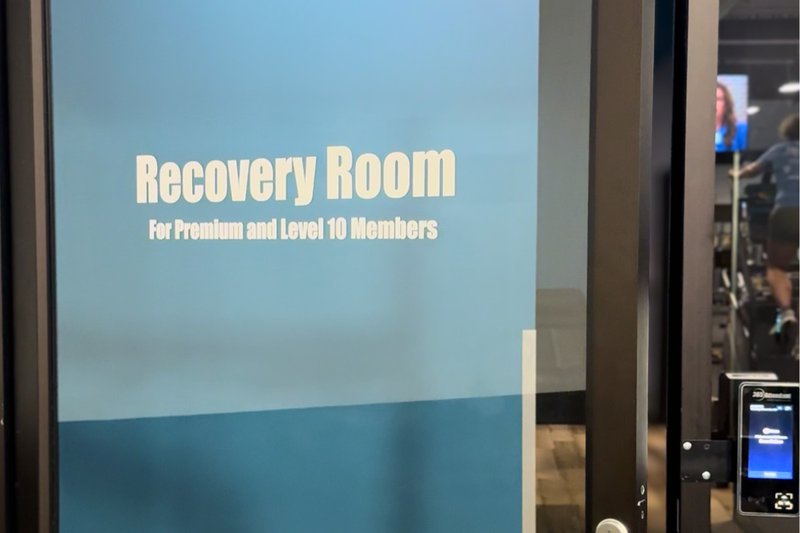
- Learn about the amenity: 10 Fitness Recovery Rooms (where available)
Why Recovery Rooms make this simple: you can build red light therapy into your normal gym routine, before training, after training, or on rest days, without guessing at home device setup.
FAQs: Muscle Recovery with Red Light
How Long Should A Session Be?
Most people keep it short and consistent. Generally, a quick session per targeted muscle group is enough to start.
How Fast Will You Feel Results?
Some people notice reduced tightness within 24–48 hours, while others feel benefits more gradually over a few weeks of consistent use.
Should You Use Red Light Therapy Before Or After A Workout?
Before is the best-supported option for performance and reduced muscle-damage signals. After can be a helpful add-on if you’re very sore or training hard multiple days in a row.
Is Red Light Therapy A Replacement For Sleep And Nutrition?
No. Think of RLT as an “extra 5–10%” tool. Your main recovery drivers are still:
- Sleep and rest
- Hydration (water + electrolytes)
- Protein + overall calories
- Smart programming (volume you can recover from)
What’s A Recovery Plan You Can Actually Stick To?
Red light therapy isn’t a gimmick, but it’s not magic either. Used the right way (especially pre-workout, with reasonable dosing and consistent weekly use), it can be a practical recovery tool to help you train harder and feel less beat up.
If you want the most budget-friendly way to add red light therapy to your routine in Arkansas, make it simple: use the Recovery Room at 10 Fitness and build it into your training week.