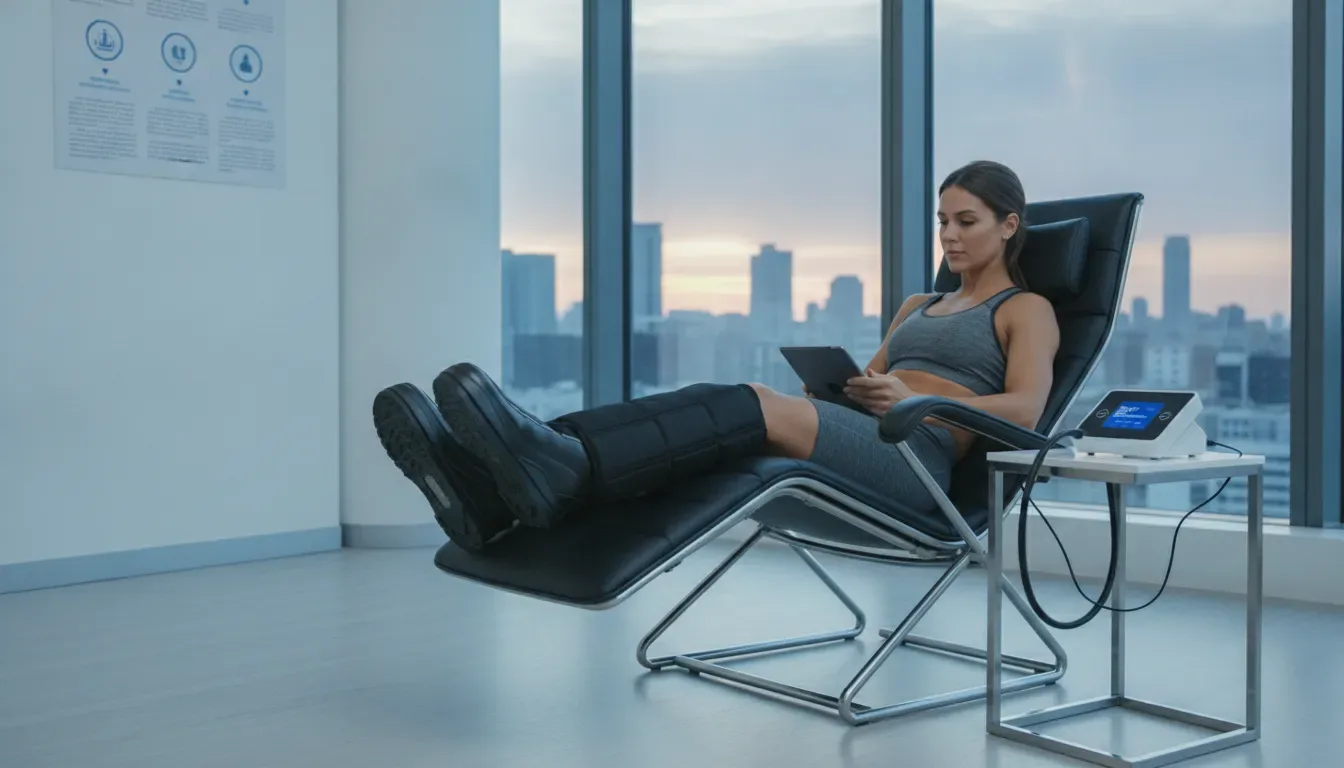
Recovery doesn’t have to mean buying every gadget you see at the gym. Compression boots have become a popular option after workouts, but the claims around them can make it hard to tell what’s useful and what’s hype. These inflatable sleeves squeeze and release around your legs in cycles, creating a sensation many people find relaxing. When considering compression boots recovery, it helps to separate short-term comfort from proven changes in muscle repair or performance. We’ll look at what research can—and can’t—tell us, who might enjoy using them, and how to decide whether they’re worth the time and cost for your routine.
Principales conclusiones
- Compression boots apply rhythmic pressure to your legs: The sensation and fit vary by device, so follow its instructions and choose a comfortable setting.
- Think of them as an optional comfort tool: They may ease perceived soreness or fatigue for some people, but research doesn’t confirm faster muscle repair or better performance.
- Build recovery around the basics: Prioritize sleep, nourishing food, fluids, and rest. Stop if you feel pain or numbness, and ask a clinician about health concerns before use.
What Are Compression Boots and How Do They Work?
Compression boots are inflatable sleeves that cover the feet, lower legs, and sometimes the thighs. A connected pump fills and releases air inside the boots, creating a series of squeezes along the legs. People often use them after exercise or on a rest day because the pressure can feel relaxing.
The sensation and settings vary by device. Compression boots are a recovery option, not a measure of how well your body is recovering. Knowing how their pressure works can help you set realistic expectations and choose settings that feel comfortable.
How intermittent pneumatic compression applies pressure
The cycling squeeze is called intermittent pneumatic compression, or IPC. Instead of applying constant pressure, the boots inflate and deflate at intervals. This creates a repeated squeeze-and-release sensation around the legs.
Many devices let you choose a pressure setting and session length. Start with a comfortable setting and follow the manufacturer’s directions. The boots should feel snug, not painful. If you notice numbness, pain, or unusual discomfort, stop the session. Nike’s guide to compression boots explains how IPC uses changing air pressure to compress the legs.
How sequential air chambers work
Inside the boots, separate air chambers inflate in sequence, usually starting near the feet and moving upward. Each chamber adds pressure, then releases as the next one fills. This creates a wave-like pattern rather than squeezing the entire leg at once.
The pattern is designed to help move fluid through the legs and support circulation. You may feel the pressure travel from one section to another, though the exact sensation depends on the device and its settings. Check the fit and instructions before starting, since boots that are too loose or positioned incorrectly may not feel as intended. SLS3 describes how sequential chambers create a wave of pressure.
What compression can—and can’t—tell you about circulation and fluid movement
The pressure may temporarily support fluid movement and circulation in the legs. Some people also find that a session helps them feel more comfortable after a workout. But feeling relaxed or less heavy doesn’t show that circulation has improved long term, or that muscles have repaired faster. Treat comfort as one piece of feedback, not a test of recovery.
Compression boots also don’t “flush out” lactic acid. Lactate clears relatively quickly after exercise and is not the cause of next-day muscle soreness. Research suggests boots may help some people with soreness or perceived recovery, but results vary. Nike’s overview of compression boots outlines what they may help with, as well as the limits of current evidence.
What Recovery Benefits Might Compression Boots Offer?
Compression boots may help your legs feel more comfortable after exercise, especially if they feel heavy or stiff. The possible benefits are mostly about short-term comfort and how recovered you feel. They’re optional, not a replacement for sleep, rest, and enough food and fluids.
How boots may ease soreness and perceived fatigue
After a tough workout, your legs might feel sore, tired, or heavy. Compression boots may ease some of that discomfort and help you feel more recovered. That can be welcome after a demanding training week, but people respond differently, and the effect may be modest.
Feeling better can make rest more comfortable, but it doesn’t guarantee you’ll perform better in your next workout. A review of compression boot research describes possible reductions in soreness and perceived fatigue, while noting that the evidence is limited. If you try a pair, notice how your legs feel before and after, and whether the difference is worth the time and cost.
How compression may temporarily affect blood flow and fluid movement
Most compression boots have air-filled chambers that inflate and deflate in sequence, often moving pressure from the feet up the legs. This creates a gentle wave of compression. It may temporarily support circulation and fluid movement, which could contribute to a less heavy or stiff feeling after exercise.
A comfortable sensation doesn’t prove that circulation has improved long-term, or that the boots have cleared everything from your workout. They also can’t diagnose or treat circulation problems. If you notice unusual swelling, pain, or changes in your legs, talk with a clinician instead of relying on a recovery device. This overview of sequential compression explains how the pressure cycle may affect fluid movement.
Why feeling more recovered doesn’t mean muscles repair faster
Feeling less sore or more relaxed after a session can be useful, but it doesn’t show that your muscles have repaired faster. Perceived recovery is how ready your body feels. Muscle repair is a separate process, and comfort alone can’t tell you exactly how far along it is.
Research on compression boots remains limited, with many studies examining small groups or short-term results. It can also be hard to separate the effect of compression from the comfort of sitting and resting. A discussion of compression boot research notes that it isn’t always clear how much reported benefit comes from physical recovery versus feeling better. Use how you feel as one piece of information, alongside your energy, training, and need for rest.
Common myths about lactic acid, guaranteed results, and recovery shortcuts
Compression boots don’t flush lactic acid from your muscles. Lactate clears relatively quickly after exercise, and it isn’t the cause of next-day muscle soreness. Stiffness after a challenging workout is more closely linked to the body’s response to exercise, especially if the workout was new or demanding.
Boots also can’t guarantee that soreness will disappear, prevent injury, or get you ready for another hard session. Your results may differ from someone else’s, and no device can make up for missing rest. This research overview of compression boots addresses the lactic acid myth and frames compression as a possible comfort measure, not a recovery shortcut. Start with the basics, then decide if boots suit your routine.
What Does Research Say About Compression Boots?
Research on compression boots suggests they may help some people feel less sore or fatigued after exercise. The evidence is less clear on whether they reduce muscle damage, improve performance, or increase flexibility. These are different outcomes, so feeling more comfortable after a session doesn’t necessarily mean your muscles have recovered faster or that you’re ready to perform better.
Studies also vary in their methods. Researchers may test different pressure settings, session lengths, and recovery windows, and the people taking part may have very different training routines. That makes it hard to draw one clear conclusion that applies to everyone. Compression boots may be worth trying if you enjoy how they feel, but research does not establish them as an essential recovery tool.
What reviews and small studies say about soreness and fatigue
Reviews of the available research suggest that compression boots may reduce perceived soreness and fatigue for some people after exercise. You might find that your legs feel more comfortable or refreshed after a session, especially following a demanding workout. These reported effects are meaningful if comfort is your goal, but they are subjective: one person may notice a difference while another feels little change. An SLS3 review of compression boot research also describes variation in study results. Taken together, the findings support a measured view: boots may help you feel better after training, but they won’t have the same effect for everyone.
Why findings on muscle damage, performance, and flexibility remain mixed
Soreness and muscle damage are not the same thing. Research has not consistently shown that compression boots reduce exercise-related muscle damage, improve athletic performance, or increase flexibility. A Nike overview of compression boots describes a 2021 review that found possible short-term relief from soreness, but inconsistent results for measures of muscle damage. That distinction is useful when deciding what to expect: feeling less sore may make it more pleasant to move, but it does not prove that your muscles have repaired faster. It also does not guarantee you’ll be stronger, faster, or more flexible in your next workout.
How study size, timing, and training levels affect results
Research findings can differ because studies may involve small groups of participants, different boot settings, or varying session lengths. Timing matters, too. Using boots after a single workout may have a different effect from using them between demanding training sessions or events scheduled close together. People who train frequently may notice a comfort benefit more than occasional exercisers, though individual responses still vary. An SLS3 overview of the research notes that the context of use can influence how helpful boots feel. Your own experience can help you decide whether they’re comfortable and worthwhile, but it can’t establish that they improve recovery for everyone.
Who Might Find Compression Boots Useful?
Compression boots may be worth trying if you enjoy how they feel or want another way to wind down after exercise. They aren’t essential, and their value depends on your training schedule, recovery needs, budget, and personal comfort.
Athletes managing frequent or demanding training
If you train hard several times a week, you may be more interested in compression boots than someone who exercises occasionally. Athletes with a demanding schedule, including triathletes, may have limited time between challenging sessions. Some use the boots to ease post-workout soreness, stiffness, or the feeling of heavy legs.
The possible benefit is mainly about how your legs feel, not a guarantee of faster muscle repair or better performance. SLS3’s discussion of compression boots for triathlon recovery notes that athletes with heavy training schedules may find them more useful. If you try them, treat them as one optional part of recovery, alongside sleep, rest, and enough food and fluids.
Recreational exercisers seeking post-workout comfort
You don’t need to be a competitive athlete to try compression boots. They may appeal after a tough strength session, long run, or fitness class, especially if you enjoy the feeling of gentle pressure around your legs. Some people feel less stiff or more relaxed afterward, while others notice little difference.
If you already have plenty of time to recover between workouts, any benefit may be modest. Your experience also comes down to preference: a recovery tool is only useful if it feels comfortable and fits your routine. Try a session if you have access to a pair, and notice how you feel rather than expecting a dramatic change. Nike’s overview of compression boots also points out that people’s experiences can vary.
When cost, mixed evidence, or preference favor simpler recovery habits
Compression boots can be expensive, and research doesn’t show that everyone will benefit from them. If you exercise occasionally or already feel good between workouts, buying a pair may not be worthwhile. Start with recovery habits you can maintain: get enough sleep, eat regular meals that support your activity, drink fluids, and give yourself time between demanding sessions.
It’s also fine to skip the boots if you find them uncomfortable or simply don’t enjoy using them. Consider how often you’d use them and whether the experience feels worth the cost. Recovery doesn’t need to involve specialized equipment. Choose what works for your body and your life, and think of compression boots as an optional extra rather than a requirement.
How Should You Use Compression Boots?
Compression boots are optional recovery tools, so keep your routine comfortable and follow the guidance for your specific device. A simple approach is to start gently, pay attention to how your body responds, and avoid treating longer sessions or stronger settings as automatically better.
Follow device instructions for fit, pressure, and session length
Before using compression boots, read the instructions for your specific device. Follow the guidance for putting them on, choosing a pressure setting, and setting the session length. Check that the boots fit as intended and that their chambers sit comfortably, without pinching or creating painful pressure.
The sensation should feel firm and comfortable, not intense or restrictive. Settings and recommended session times vary between devices, so don’t copy someone else’s routine or assume a higher setting will work better. If you’re unsure how to adjust the fit or pressure, pause and check the manufacturer’s instructions. A physical therapy clinic’s guide to compression boots also notes that pressure can be adjusted according to comfort, soreness, and recovery goals.
Choose a comfortable time after exercise or on a rest day
You can use compression boots after a workout or on a rest day. Pick a time when you can sit back and relax, and follow the session length recommended for your device. There’s no need to put them on the moment you finish exercising. Choose a routine that fits your schedule and feels easy to maintain.
Some studios offer compression alongside other services, such as a sauna or contrast therapy, but combining treatments is a personal choice, not a requirement. Pause Studio’s overview of compression therapy describes it as one option in a broader recovery session. If you’re trying compression for the first time, keep the rest of your routine familiar. That makes it easier to notice whether the boots feel comfortable and useful to you.
Start with low pressure, adjust gradually, and stop if it feels uncomfortable
If your device has several pressure settings, begin with a low one. Give yourself a moment to notice how the boots feel, then adjust gradually if the fit remains comfortable and the instructions allow it. You don’t need to put up with discomfort for a session to be worthwhile.
Stop the device if you feel pain, numbness, tingling, or unusual pressure. Remove the boots and check their fit and your skin. If discomfort continues, don’t restart the session just to complete it. The guidance from Nee’s Physical Therapy emphasizes adjusting pressure to your comfort level. Use your own response as your guide, rather than trying to match another person’s settings or session.
Why longer or more frequent sessions aren’t always more effective
Spending more time in compression boots doesn’t automatically mean better recovery. Stick to the session length recommended by the manufacturer, and don’t add extra sessions just because your legs feel tired. Pay attention to how you feel during and after use, and stop if a session leaves you uncomfortable.
Compression boots are one optional part of recovery, not a substitute for sleep, hydration, nourishing food, rest, or a sensible training plan. These habits support your body as it adapts to exercise. SLS3’s discussion of compression boots and triathlon recovery also stresses that compression shouldn’t replace those basics. Keep your routine balanced, and let comfort, not session length, guide your use.
Consider fit, comfort, and portability without assuming extra features improve results
If you’re considering buying compression boots, start with fit, comfort, and how you plan to use them. Check the sizing guidance, how easy they are to put on, and whether you have a convenient place to store them. A pair that feels manageable and suits your routine may be a better choice than a model packed with features you won’t use.
Custom settings or portability may matter to you, but extra features alone don’t prove a device will improve recovery. Compare the instructions, warranty, cleaning requirements, and total cost before you decide. Accio’s overview of compression boot trends highlights interest in customizable and portable designs. Treat those qualities as practical considerations when shopping, not as a guarantee of better results.
When Should You Avoid Compression Boots or Ask a Clinician?
Compression boots aren’t suitable for everyone. If you have a health concern, a recent injury, or symptoms you can’t explain, check with a clinician before using them. It’s also fine to stop a session if the pressure doesn’t feel comfortable.
Check with a clinician if you have circulation concerns, a health condition, an injury, or recent surgery
Talk with a clinician before using compression boots if you have a history of blood clots, circulation problems, ongoing swelling, or a condition that affects your legs. Ask first if you’re recovering from an injury or recent surgery, too. A clinician who knows your health history can help you decide whether compression is appropriate and whether you need any adjustments.
When in doubt, get guidance before your first session. You can also share your concerns with the staff member setting up the boots. A physical therapy clinic’s guidance on recovery boots recommends checking in about circulation concerns, blood clot history, uncontrolled swelling, and conditions affecting the legs.
Stop if you feel pain, numbness, skin changes, or unusual discomfort
Compression boots should feel snug and comfortable, not painful. Stop the session and remove the boots if you notice numbness, tingling, skin color changes, or discomfort that feels unusual. Don’t push through symptoms or assume that more pressure means better recovery. If you’re using boots at a gym or recovery service, let a staff member know what you’re feeling. At home, follow the device instructions and contact a clinician if you’re unsure whether it’s safe to use them again.
The clinic’s safety guidance also advises stopping if you experience pain, numbness, skin changes, or unusual discomfort. Pay attention to how your legs feel afterward, and check with a clinician if symptoms continue.
Seek medical care for unexplained swelling or persistent pain
Compression boots aren’t a way to diagnose or treat new symptoms. If you have swelling you can’t explain or pain that persists, contact a healthcare professional instead of relying on a recovery session. Sudden swelling, especially in one leg, should be assessed promptly. The NHS guidance on leg swelling explains when to seek medical advice.
If swelling or leg pain occurs alongside chest pain or difficulty breathing, seek urgent medical care. Don’t use compression boots while waiting to see whether those symptoms pass. When you’re unsure what to do, pause your session and contact a clinician for guidance.
Are Compression Boots Worth Trying?
Weigh possible short-term comfort against cost and mixed evidence
Compression boots may feel relaxing after a challenging workout, and some people notice temporary relief from soreness or tenderness. But feeling more comfortable doesn’t necessarily mean your muscles are repairing faster. Research has not consistently shown that boots reduce delayed-onset muscle soreness or muscle damage. Some studies suggest they may help maintain flexibility after hard strength workouts, as explained in Nike’s overview of compression boots.
Before buying a pair, think about how often you train, whether you’d use them regularly, and what fits your budget. If you train frequently or have demanding workouts close together, you may appreciate the comfort. If you exercise occasionally and feel ready for your next session without them, the expense may not make sense. If you can, try a session at a gym or recovery studio before purchasing.
Prioritize sleep, nutrition, hydration, and rest
Compression boots can be one part of your recovery routine, but they don’t replace the basics. Make time for rest, drink fluids regularly, and eat meals that support your activity. Sleep matters too, so aim for a routine that gives you enough time to unwind and get consistent rest.
Gentle movement, stretching, or foam rolling may also help you feel ready to train again. Keep it simple: an easy walk or a few minutes of comfortable mobility can be a practical start. Nike’s recovery guidance recommends treating compression boots as an add-on to rest, light activity, and good nutrition. If you’re deciding between boots and everyday recovery habits, focus first on the habits you can maintain.
Track how you feel and treat boots as optional, not essential, recovery tools
If you try compression boots, pay attention to how they feel during and after a session. Notice your comfort, soreness, and readiness for your next workout. A quick note on your phone can help you compare how you feel on days you use them and days you don’t. Give them a few tries before deciding whether they make a worthwhile difference, and don’t use them to push through persistent pain or skip needed rest.
Your training schedule may shape how useful they feel. Someone with frequent, demanding workouts may value them more than someone who exercises now and then. SLS3’s discussion of compression boots notes that they may be more appealing for people with heavy training schedules, while occasional exercisers may consider them a luxury. Let your experience, preferences, and budget guide your choice.
Preguntas frecuentes
Do compression boots help you recover faster after a workout?
They may make your legs feel less sore or tired, but research hasn’t shown that they reliably speed muscle repair or improve your next workout. Treat them as a comfort option, not a shortcut.
How long should you wear compression boots?
Follow the session length recommended for your specific device. Settings and instructions vary, so don’t assume a longer session will work better.
Should compression boots feel tight?
They should feel snug and comfortable, not painful or restrictive. Stop and remove them if you notice pain, numbness, tingling, skin color changes, or unusual discomfort.
Can anyone use compression boots?
Not necessarily. If you have circulation concerns, a history of blood clots, ongoing swelling, an injury, recent surgery, or a condition affecting your legs, ask a clinician before using them.
Are compression boots worth buying?
That depends on your budget, training schedule, and whether you enjoy how they feel. If possible, try a session before buying. Prioritize sleep, food, fluids, and rest as the foundation of recovery.